
Incident intake and claim fit
We take the account of what happened, where it happened, and how the injury occurred. This first review helps identify whether property security is central to the claim.
We examine whether inadequate security contributed to an injury and identify the evidence that supports your claim. Our approach focuses on the property, the warning signs, and the losses involved.
A focused review of whether property conditions contributed to the injury.
A clear record of medical expenses, lost wages, and other losses.
A reasoned choice between insurance negotiation, mediation, and litigation.

Negligent security claims focus on more than the fact that an injury occurred. We examine the property condition, the risk that led to the incident, and whether reasonable security measures were absent or poorly maintained. Our review can include police records, medical records, photographs, witness accounts, property records, and communications with insurers. We also consider the nature of the injury, lost wages, medical expenses, and pain and suffering. Buyer fit matters. This service is for people whose injuries may connect to property security, such as unsafe access, poor lighting, missing warnings, or weak controls. It isn't a substitute for a claim based only on a vehicle collision or a general disagreement with a property owner.
Negligent Security Claims are injury claims that assess whether inadequate property security contributed to a person's harm.
We take the account of what happened, where it happened, and how the injury occurred. This first review helps identify whether property security is central to the claim.
We gather available police records, photographs, witness information, property details, and prior incident records. We compare those facts with the alleged risk.
We organize medical records, bills, wage losses, and pain-related information. The record shows how the incident affected daily life and finances.
We assess possible responsibility and discuss negotiation, mediation, or litigation when appropriate. The strategy follows the evidence and the client's goals.
Bring whatever records you have, even if the set is incomplete.
We use the initial consultation to assess the incident, property evidence, injury records, and possible claim fit before engagement begins.
We investigate the security condition, gather police and medical records, and pursue negotiation or litigation when the evidence supports it.
We use contingency fees, so clients pay attorney fees only when their negligent security matter produces a recovery.
Atlanta Auto Law can review the incident, property records, and injury losses with you; urgent requests get priority scheduling.
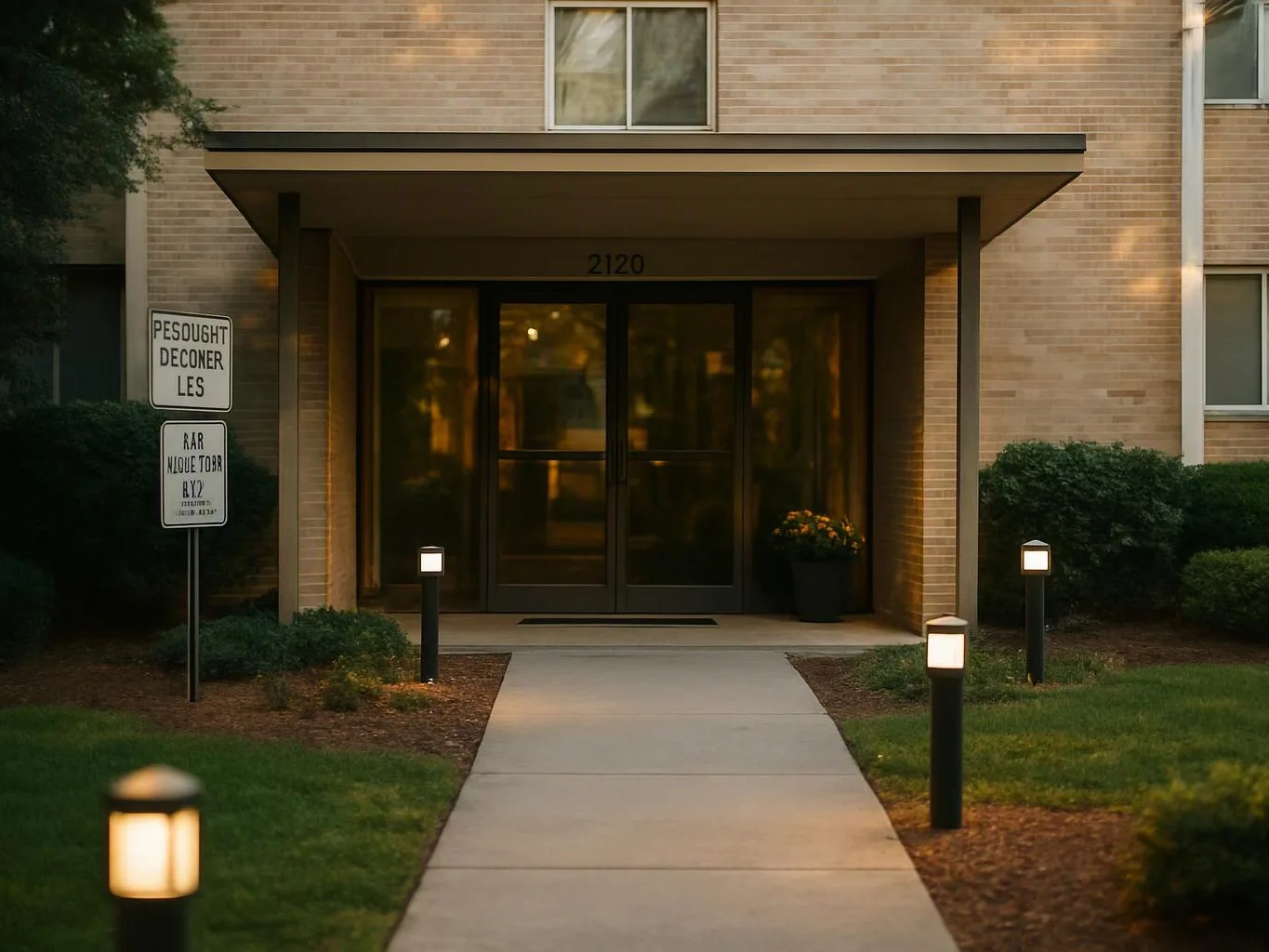
A person is hurt near an entrance, walkway, or parking area where lighting was poor. The key issue is whether visibility affected the known risk and whether records support that connection. Save photographs, medical papers, and messages from the property owner. Atlanta Auto Law can review those materials with the incident details.
An assault follows a broken lock, open gate, or failed access control at a property. The claim may turn on the condition of that entry point and any earlier reports about it. Don't repair, discard, or alter related evidence before documenting it. Keep the police report and seek a case review.
A property owner or insurer may argue that the injury was unrelated to security conditions. That dispute makes the timeline, witness accounts, photographs, and medical records especially important. Write down each contact and preserve every letter. Our team can assess whether the evidence supports a premises liability claim.





The information on this website is for general informational purposes only and is not legal advice, does not create an attorney-client relationship, and may not reflect current law in Druid Hills, Georgia, United States. Every situation is different; consult a licensed attorney about your specific matter. Prior results do not guarantee a similar outcome.
(678) 235-3870