Who may be liable for injuries caused by a drunk driver?
Atlanta Auto Law reviews the drunk driver, vehicle owner, employer, insurance carrier, and possible alcohol provider for liability. Each party requires separate facts. We examine police records, medical records, ownership documents, work details, witness accounts, and insurance materials before presenting a claim. The available evidence and Georgia law determine which parties belong in the case.
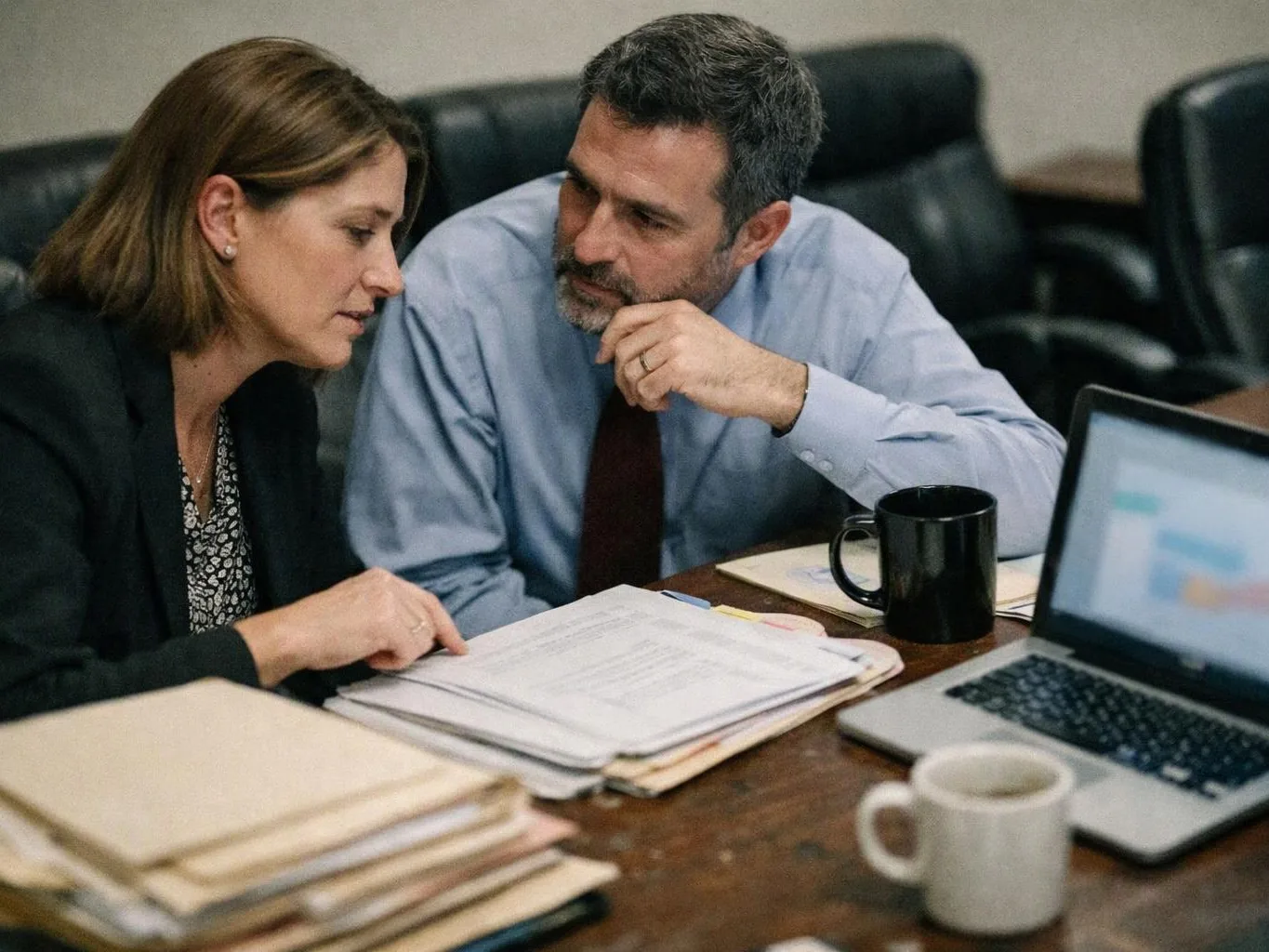
What should be ready before a legal consultation?
Police reports, medical records, insurance information, and crash details help start the case review. Bring bills, wage records, repair documents, photographs, witness names, and insurer letters when available. Missing records do not prevent an initial discussion. We identify what still needs to be gathered and explain how each document supports the claim.
Which vehicle details affect the liability review?
Vehicle ownership, the driver's permission, work use, and available insurance can change the liability review. Registration details and policy information help identify the responsible parties. We also examine whether an employer controlled the trip or supplied the vehicle. These facts can affect how the claim is presented and which insurer receives notice.
How is a claim matched to the crash facts before work starts?
A claim is matched to the crash through an intake review of injuries, fault, records, parties, and insurance coverage. We compare the reported collision with medical treatment and documented losses. The review also checks whether the facts support driver, owner, employer, insurer, or alcohol-provider liability before we recommend the next step.
When should an injured person request legal help?
An injured person should request legal help when fault, insurance coverage, injuries, or another party's role is disputed. Early records can matter because police reports, witness information, medical notes, and insurer communications shape the claim. We review the available facts and explain what should be preserved for settlement negotiations or trial.
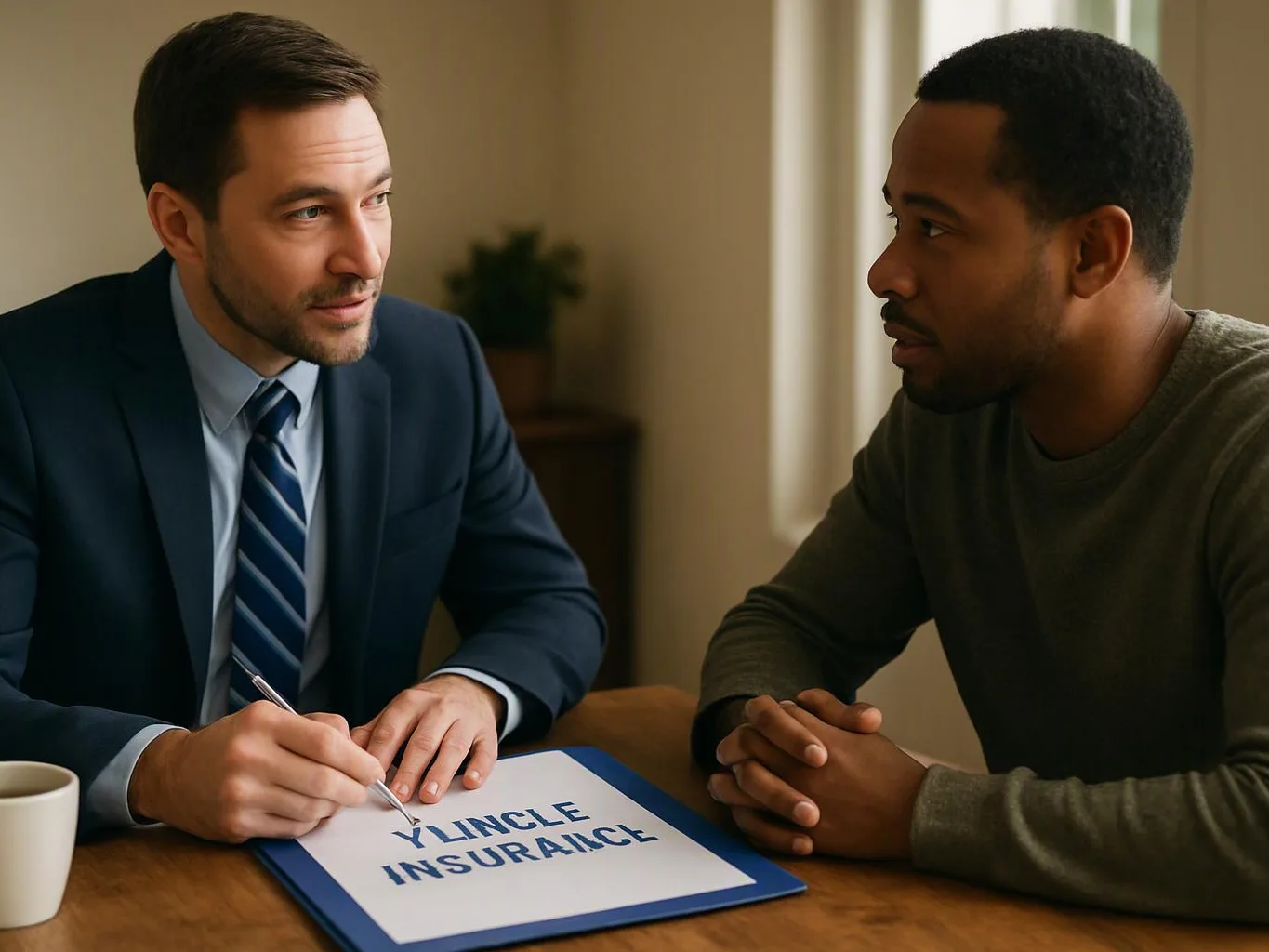
Why can an insurance carrier dispute a drunk driving claim?
An insurance carrier may dispute fault, injury, coverage, causation, or the value of documented losses. The claim needs records that connect the crash to treatment, income loss, property damage, and other harm. We communicate with insurers, address supported disputes, and explain settlement terms before you make a decision.
What is different about this work from DUI defense?
Personal injury representation seeks compensation for people harmed in the crash, while DUI defense represents the accused driver in a criminal case. Our work focuses on liability, medical records, insurance claims, lost income, property damage, and settlement negotiations. We do not treat a criminal defense matter as an injury claim.