Who may be liable for injuries caused by a drunk driver?
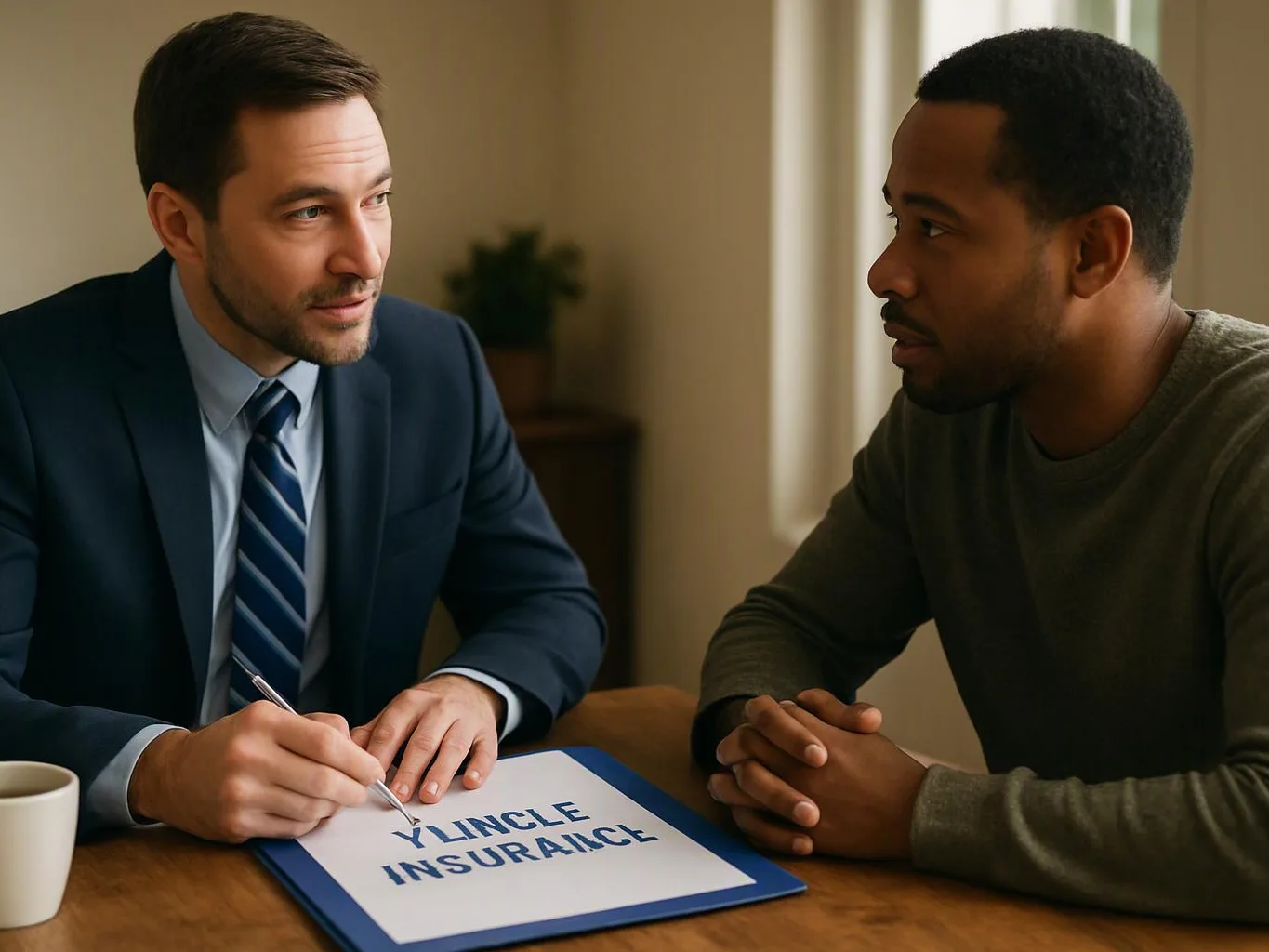
Alcohol providers, drivers, vehicle owners, employers, and insurance carriers may face review when their conduct or coverage connects to the injury claim. Atlanta Auto Law examines the facts before naming a responsible party. The review can include police records, witness accounts, employment details, vehicle ownership, and insurance documents. Each claim still turns on its own evidence.
How does a claim move from the first call to the last step?
The claim moves from intake and record review to liability analysis, insurance talks, and possible mediation or trial. We first discuss the crash and injuries. Then we gather police and medical records, assess losses, and communicate with insurers. The final step depends on whether the parties reach a settlement or the case requires trial work.
Which records help show who caused the crash?
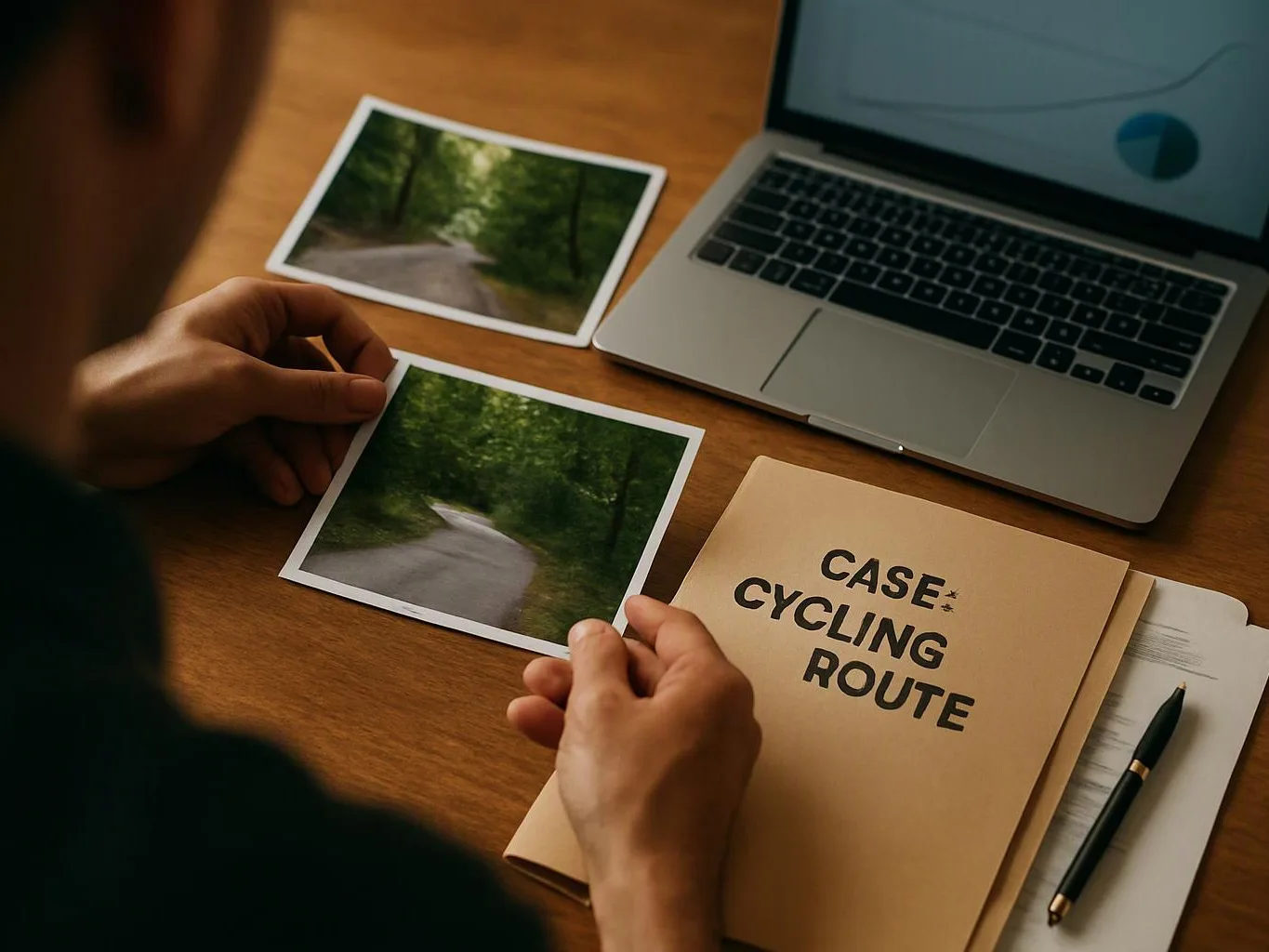
Police reports, medical records, photographs, witness information, and insurance documents help show how the crash happened and who may be responsible. We compare these records with the injury account and vehicle facts. Keep copies of insurer messages and medical bills because they may help explain the claim.
What changes the time needed to review an injury claim?
The number of responsible parties, the available records, the injury details, and the insurer's position can change the work required. Claims with a driver, employer, vehicle owner, and insurer may need separate document reviews. We explain the next stage after assessing the facts, and we do not promise a fixed timeline.
Why can a vehicle owner matter in a drunk driving claim?
A vehicle owner matters when ownership, permission, or control connects that person or business to the crash. We review who owned the vehicle, who used it, and what insurance applied. Ownership alone does not decide the claim. The evidence must connect the owner to a legal basis for responsibility.
How can I tell whether this service fits my injury claim?
This service fits when a person suffered injury or wrongful death in a crash involving an impaired driver. It also fits when an insurer disputes responsibility or the facts point to more than one party. A free consultation lets us review the crash, records, injuries, and claim status before discussing the available legal path.
What does Georgia-licensed representation mean for this claim?
Georgia-licensed representation means our attorneys are licensed to practice law in Georgia. That credential does not predict an outcome. Our work includes investigation, insurance communication, settlement negotiation, and trial-ready preparation for injury claims. We explain the legal process in plain language and keep the focus on the client's documented losses.