
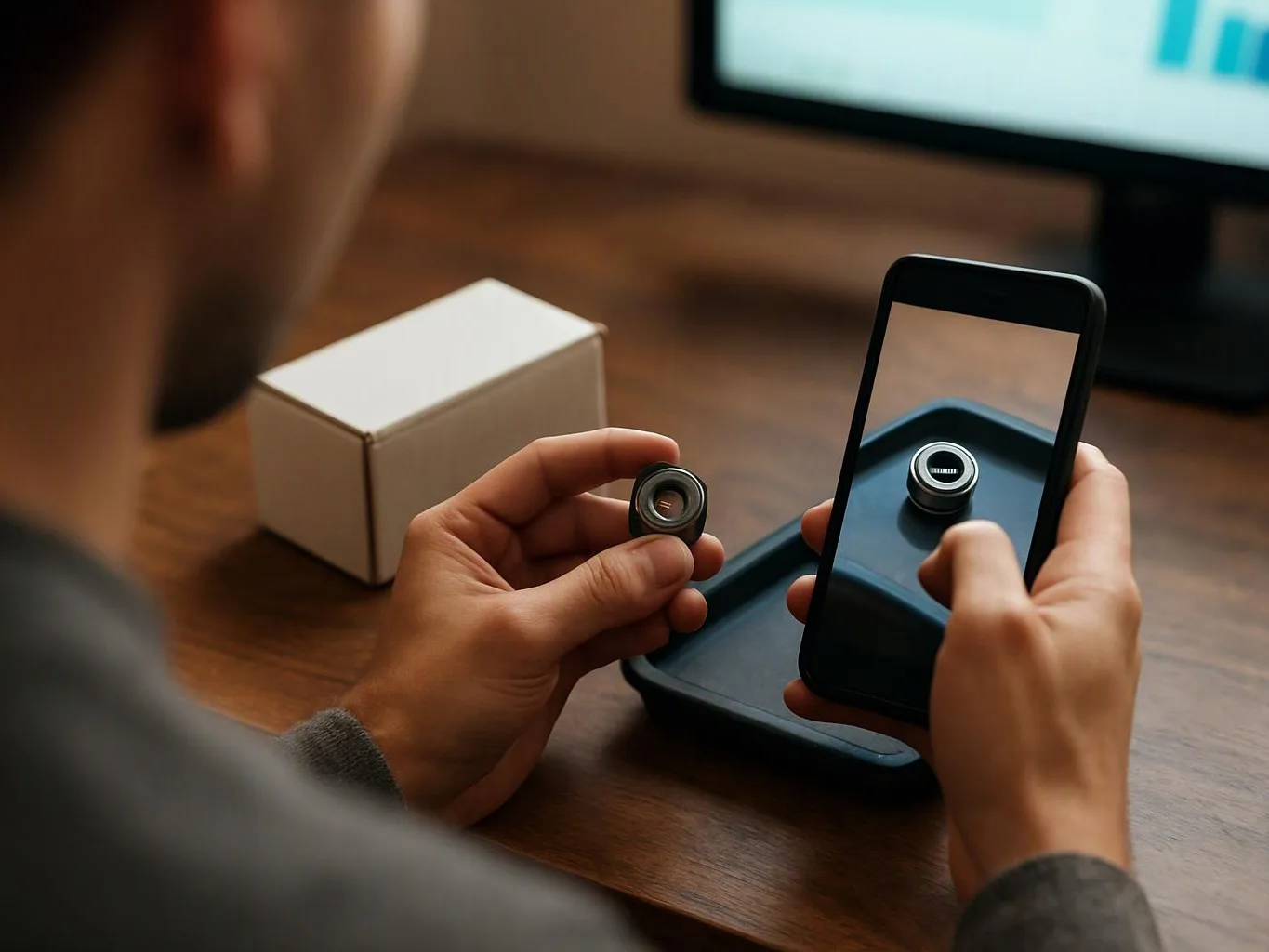
Initial incident review
We discuss the product, the way it was used, the injury, and the documents already available.
A defective product can cause serious harm before you know what went wrong. We examine the product, records, warnings, and injury details that shape your claim.
A product liability review connects the item, the defect, and the injury.
Evidence preservation protects details that could disappear after the incident.
A claim assessment identifies possible responsible parties and available losses.
Legal guidance can address medical expenses, lost wages, pain, and suffering.

Defective product claims address injuries linked to unsafe goods. The issue may involve a design defect, a manufacturing error, or instructions that failed to warn about a known risk. The product itself matters. Keep the item, packaging, labels, receipts, manuals, photos, and related messages. Medical records and wage information help connect the product event to your losses. Our review focuses on the product, how it was used, what the maker or seller said, and how the injury occurred. Product liability can involve more than one responsible party, so the supply chain may require close review. A product recall can help identify a safety concern, but it does not replace case analysis. We check the recall details, incident records, medical proof, and available evidence before discussing negotiation or litigation.
Defective Product Claims are legal actions that seek compensation when a product's design, manufacture, or warnings cause injury.
These records help us understand the product, the incident, and the losses connected to it.
We discuss the product, the way it was used, the injury, and the documents already available.
We identify the item, packaging, instructions, photos, receipts, medical records, and recall notices that may support the claim.
We assess whether the facts point to a design defect, manufacturing error, or missing safety warning.
We examine the maker, seller, distributor, and other possible parties connected to the product.
We explain the evidence, losses, and available path, then pursue negotiation or litigation when appropriate.
We review the product, injury, and available records during a no-cost consultation before engagement begins.
We investigate the incident, preserve product evidence, gather supporting records, and pursue negotiation or litigation when appropriate.
We use contingency fees, so clients pay attorney fees only when their matter produces a recovery.
Was a product failure, missing warning, or recall connected to your injury? Schedule a consultation with Atlanta Auto Law, and urgent requests get priority scheduling.
A product can fail while someone follows the instructions and uses it as intended. The key questions include what broke, whether the item can be preserved, and how the failure caused the injury. Keep the product and packaging, take clear photos, and save medical records before discussing the incident with the maker or seller.
A recall notice after an injury can raise concern about a possible safety defect. The notice still needs to be compared with the exact product, date, failure, and injury. Save the recall communication and product details, then share them with us during a consultation so we can assess the connection.
Some injuries happen because instructions omit a risk or fail to explain safe use. The wording, placement, and timing of the warning can matter, along with what the user knew before the incident. Keep the manual and label, write down what happened while memories are fresh, and preserve any medical or wage records.



The information on this website is for general informational purposes only and is not legal advice, does not create an attorney-client relationship, and may not reflect current law in Druid Hills, Georgia, United States. Every situation is different; consult a licensed attorney about your specific matter. Prior results do not guarantee a similar outcome.
(678) 235-3870