Wrongful Death Claim Mistakes Families Should Avoid
Wrongful death claim mistakes include delaying legal guidance, discussing the case publicly, accepting an early settlement, losing evidence, and overlooking eligible survivors or damages. Atlanta Auto Law helps families preserve evidence, assess liability, identify recoverable losses, and prepare a wrongful death claim.
Written by Ronnie Mabra
Request an Estimate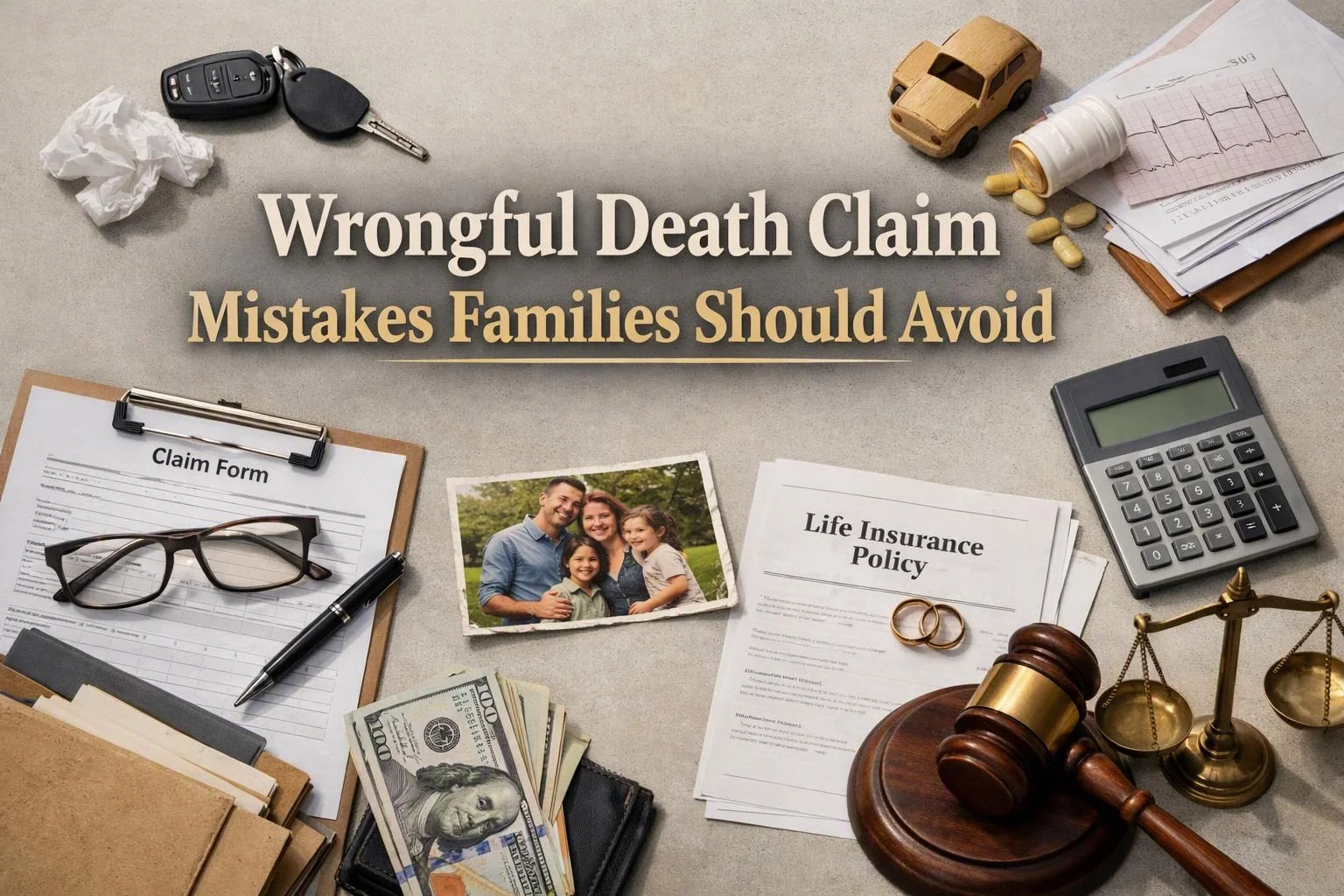
A wrongful death claim may arise when negligence causes a fatal accident and the surviving family suffers legal and financial harm. We examine the duty of care, breach of duty, causation, and liability before advising the family about its civil claim.
Atlanta Auto Law reviews each case with care so the family can make informed decisions about evidence, damages, and settlement. Our team also considers whether comparative fault or another defense may affect the claim.
Author: Ronnie Mabra
Why Wrongful Death Claim Mistakes Matter
Wrongful death claim mistakes can affect liability, damages, evidence, and the family’s settlement decisions. A surviving family may face difficult questions about negligence, the estate, and who may bring the claim.
These cases often involve a fatal car accident, truck accident, or another fatal accident. We connect the available evidence to the conduct that caused the death and then assess the resulting losses.
Medical expenses, funeral expenses, lost income, loss of support, and emotional losses may all require careful review. A mistake can make important proof harder to use or can lead to a release agreement before the family understands the full claim.
Mistakes That Can Weaken a Wrongful Death Claim
A wrongful death lawsuit depends on reliable claim evidence and a clear explanation of liability. Families may weaken a case by acting quickly without understanding how the insurance company will use their statements or documents.
Our team investigates the facts, identifies possible responsible parties, and evaluates any settlement offer before the family makes a decision.
Mistake: Waiting Too Long to Protect the Claim
Waiting too long can place the statute of limitations and the claim deadline at risk. Families often delay because they are grieving or believe the insurance company will handle the matter fairly.
Delay can also cause evidence to disappear, memories to fade, or records to become harder to obtain. We identify filing requirements and begin evidence preservation as early as possible.
A wrongful death attorney can organize the investigation while the family focuses on immediate needs. Our review includes the facts, available records, and the proper person to represent the claim.
Mistake: Discussing the Case on Social Media
Public statements about the death, the family’s losses, or the insurance claim can be used during an insurance investigation. Families may post while seeking support without realizing that a post can be taken out of context.
Social media can create apparent claim admissions about fault, medical conditions, financial needs, or the family’s emotional state. We advise the family about preserving privacy and reviewing public communications.
Our team considers how available posts may affect the claim and addresses harmful statements before they become a larger dispute.
Mistake: Giving an Unprepared Statement to an Insurer
An insurance adjuster may request a recorded statement before the liability investigation is complete. Families may agree because the request sounds routine or because they expect a quick resolution.
A recorded statement can lock a claimant into wording that does not reflect the full facts. We help the family understand the purpose of the request and review the available information before responding.
The insurance company may compare the statement with the police report, medical records, and witness information. Our team addresses inconsistencies and protects the family’s position during the insurance claim.
Mistake: Accepting a Settlement Before Understanding the Losses
A wrongful death settlement should not be accepted before the family understands the full losses and the effect of the release agreement. Early settlement offers may focus on expenses that are easiest to document.
The claim may include medical expenses, funeral expenses, lost income, and loss of financial support. We collect the records needed to assess these losses and consider how the death affected eligible survivors.
Signing a release agreement may end further recovery for the same event. Our team reviews the settlement offer, explains its scope, and handles settlement negotiation when appropriate.
Mistake: Losing or Altering Important Evidence
Accident scene details, vehicle evidence, photographs, witness information, and medical records can help establish what happened. Evidence may be lost when vehicles are repaired, property is discarded, or records are not requested.
We send preservation requests when appropriate and organize photographs, reports, records, and witness statements. Our team also reviews whether physical evidence supports or contradicts the claimed version of events.
Altering or editing evidence can create credibility problems. We preserve original materials and keep a clear record of how the claim evidence was obtained.
Mistake: Blaming the Wrong Party or Missing Other Liable Parties
Negligence may involve more than the driver who caused a crash. A commercial vehicle owner, employer, manufacturer, or other party may also have potential liability.
Families may focus on the most visible person and overlook vicarious liability, employer liability, or product liability. We examine ownership, employment, maintenance, vehicle condition, and other facts that may identify responsible parties.
Our liability analysis considers the duty of care, breach of duty, causation, and any comparative fault argument. This approach helps prevent a narrow investigation from limiting the claim.
Mistake: Overlooking Which Relatives May Bring the Claim
The relatives who may bring a wrongful death claim depend on the governing law and the family’s relationship to the deceased person. A surviving spouse, children, parents, estate representative, or beneficiary may have different legal roles.
Families may assume that the closest relative automatically controls every part of the claim. We identify the proper personal representative, survivor, and beneficiary before making demands or filing a wrongful death lawsuit.
Our team also checks whether estate issues affect the handling of damages. Clear identification of the claimant helps avoid disputes that can delay the case.
Mistake: Treating Emotional Loss and Financial Loss as the Same
Economic damages and noneconomic damages address different forms of harm. Economic damages may include lost income, medical expenses, funeral expenses, and lost financial support.
Noneconomic damages may include loss of companionship, loss of guidance, and other personal effects of the death. Families may understate these losses when they focus only on bills and wages.
We separate the categories and collect records and testimony that explain each loss. Our damages calculation reflects both the financial and human effect of the death.
Mistake: Handling a Complex Claim Without Legal Guidance
A complex wrongful death claim requires coordinated investigation, evidence review, settlement negotiation, and possible litigation. Families may try to manage every part of the claim while coping with grief and pressure from the insurance company.
We organize the claim investigation, review the evidence, communicate with insurers, and explain important decisions. Our team also prepares the case for litigation when settlement does not resolve the dispute.
Legal guidance can help the family avoid preventable errors and keep the focus on liability and recoverable losses. We tailor the review to the facts of the fatal accident.
How Families Can Protect a Wrongful Death Claim
Families can protect a wrongful death claim by preserving information and directing communications through an organized process. The following actions help maintain the evidence needed for liability and damages review.
Families should avoid deleting relevant messages or changing photographs. We can help organize the materials and identify additional evidence for review.
When to Call Atlanta Auto Law About a Wrongful Death Claim
Families should contact us when a death may involve negligence, disputed liability, or an unresolved insurance claim. Early review gives our team a chance to protect evidence and identify the correct claimants.
Our team can review the facts before the family makes a statement or signs a settlement agreement. The review focuses on protecting the claim and explaining the available legal path.
What Atlanta Auto Law Reviews Before Pursuing the Claim
Atlanta Auto Law reviews the accident facts, available records, financial losses, liable parties, and survivor eligibility before pursuing a wrongful death claim. We build the review around evidence rather than assumptions.
Our team examines accident reconstruction materials, the police report, photographs, witness information, vehicle evidence, and medical records. We use those materials to evaluate negligence, causation, and possible defenses.
We also review financial losses such as medical expenses, funeral expenses, lost wages, and loss of support. The claim review includes the estate representative and the relatives who may qualify as survivors or beneficiaries.
When an insurance company disputes liability, we compare its position with the available evidence. We then explain whether settlement negotiation or litigation is the appropriate next step.
How to Start a Wrongful Death Claim Review
A wrongful death claim review starts with a case consultation and the documents available to the family representative. You can share the accident information, insurance correspondence, medical records, financial records, and details about the deceased person’s surviving family.
We organize the claim documents, identify immediate evidence concerns, and discuss the possible legal claims. Our team explains what additional information may help evaluate liability, damages, and survivor eligibility.
Atlanta Auto Law helps families take the next step with a clear review of the fatal accident claim. To begin, contact Atlanta Auto Law.
Questions About Wrongful Death Claim Mistakes
Can family members file a wrongful death claim if the deceased person had no income?
Yes, family members may still have a wrongful death claim when the deceased person had no income. Atlanta Auto Law reviews noneconomic damages, household contributions, loss of guidance, loss of companionship, medical expenses, and funeral expenses along with other possible losses.
What evidence helps prove a wrongful death claim?
Evidence that may help prove a wrongful death claim includes the police report, photographs, vehicle evidence, witness statements, medical records, employment records, and insurance correspondence. We connect those materials to negligence, causation, liability, and the family’s damages.
Can an insurance company use social media against a wrongful death claimant?
Yes, an insurance company may use public social media statements during its investigation. Posts can be compared with the claimant’s statements, medical records, and claimed losses.
Who receives compensation from a wrongful death settlement?
The surviving relatives or estate beneficiaries who qualify under the governing law may receive compensation from a wrongful death settlement. We review the family relationships, estate documents, and survivor eligibility before discussing distribution.
Can a wrongful death claim continue if the insurance company denies liability?
Yes, a wrongful death claim may continue after an insurance company denies liability. We review the denial, investigate the evidence, pursue settlement negotiation when appropriate, and prepare for litigation if the dispute cannot be resolved.
Related Resources
How Long Does a Wrongful Death Settlement Take?
Compared ToPersonal Injury Lawyer vs Insurance Adjuster: Who Should Handle Your Accident Claim?
Compared ToCar Accident Claim vs Personal Injury Lawsuit: Key Differences and When Each Applies
Compared ToPersonal Injury Settlement vs Trial: Which Path Fits Your Case?