
What Is Preservation of Evidence?
Preservation of Evidence is the process of protecting and documenting information, objects, and conditions that may help prove a legal claim. In a defective product case, the process can include securing the product, retaining packaging, recording visible damage, and preserving relevant messages or records before evidence changes, disappears, or is discarded.
Quick Facts About Preservation of Evidence
Category
Legal evidence process
Used for
Defective product investigations
Common confusion
Preservation does not establish fault
Also called
Evidence Preservation
Often discussed with
Defective Product Claims
Key Takeaways About Preservation of Evidence
- Preserved evidence captures conditions that may change over time.
- Product condition and related records should remain traceable.
- Preservation is not the same as proving liability.
How Preservation of Evidence Works
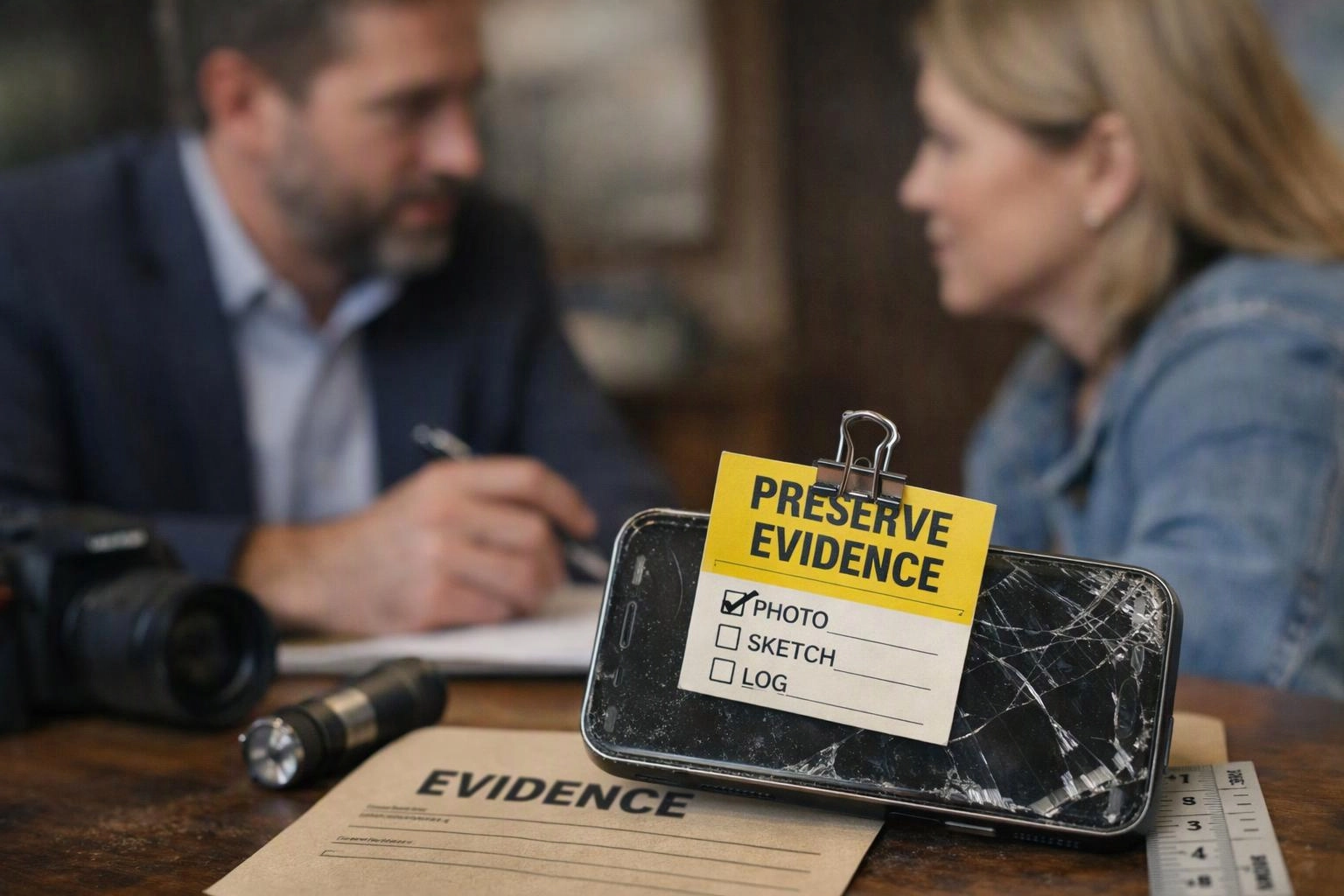
Preservation of Evidence starts by identifying items and records that could help explain what happened. A product, its packaging, receipts, instructions, photographs, repair records, and messages may each provide useful context. The person holding an item should avoid altering, repairing, cleaning, or discarding it before its condition is documented.
Related glossary terms: Spoliation, Product Liability, Admissibility.
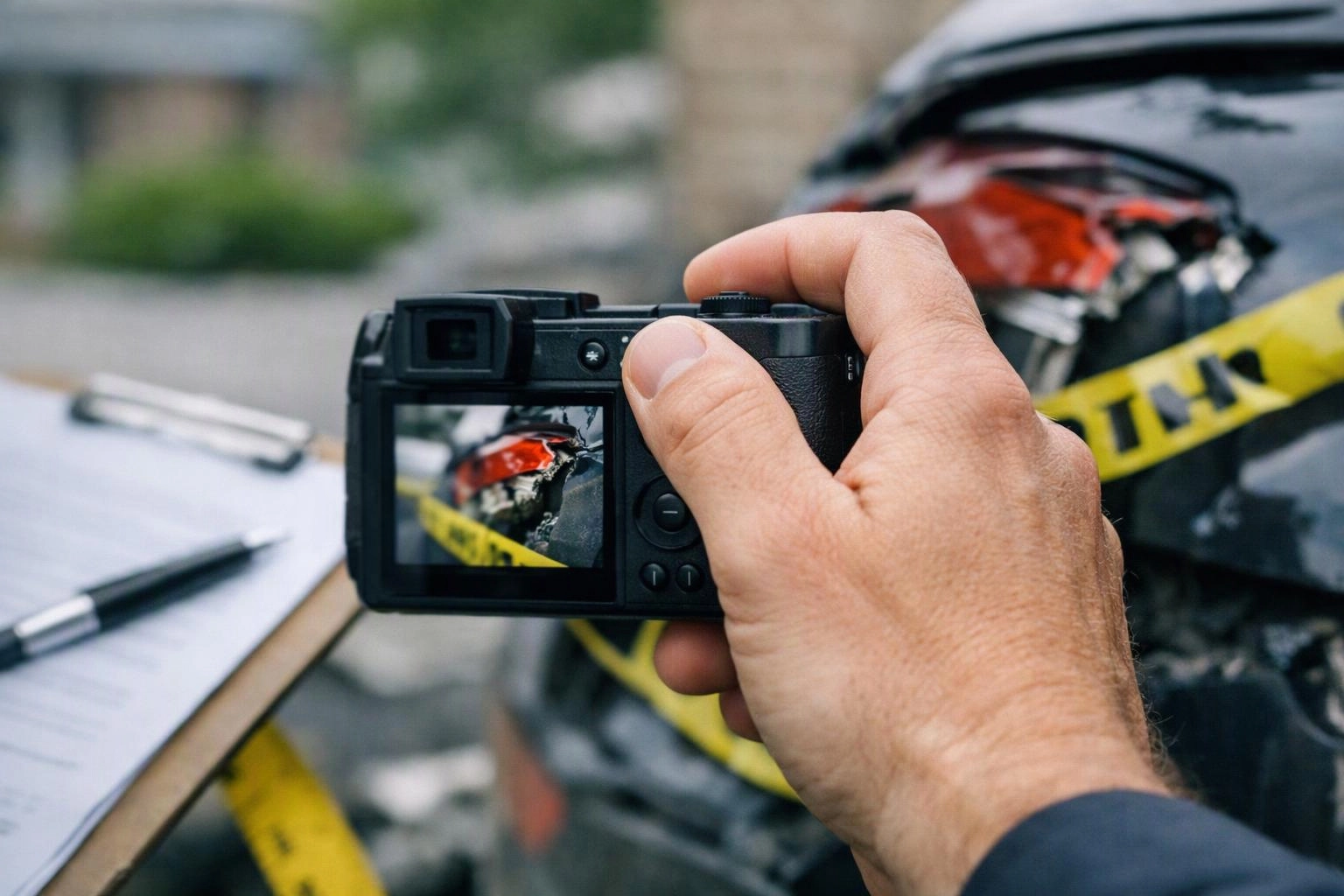
The process also creates a clear record of where evidence came from and how it was handled. A lawyer may arrange secure storage, photograph visible conditions, request related records, and track transfers. In a defective product claim, these steps help connect the product to the alleged injury and the circumstances surrounding its use. Preservation supports later review by attorneys, insurers, and an expert witness, but preserved material alone does not prove that a manufacturer, seller, or other party caused the harm.
From the Atlanta Auto Law team
When we handle a defective product claim, we identify the product and related records that may bear on responsibility. We ask how the item was stored, whether anyone altered it, and whether photographs or purchase records can help establish its condition and history.
Preservation of Evidence in Practice: A Real-World Example
A customer is injured when a household product breaks during ordinary use. The customer keeps the product, packaging, purchase record, and photographs of the damage, while avoiding repairs that could change the product’s condition.
Related Services
Related Terms
Spoliation
Spoliation is the wrongful loss, destruction, alteration, or concealment of evidence relevant to a legal dispute…
Product Liability
Product Liability is a legal theory that may hold a manufacturer, seller, or other responsible party…
Admissibility
Admissibility is the legal determination that evidence may be presented to a court or considered by…
Expert Witness
An expert witness is a qualified professional who gives specialized opinions to help explain technical, medical…
Atlanta Auto Law
Have Questions About Preservation of Evidence?
Contact Atlanta Auto Law for practical guidance on Preservation of Evidence and related personal injury attorney work in Druid Hills.