
What Is a Concussion?
Concussion is a brain injury caused by a blow, jolt, or force that disrupts normal brain function. The injury may occur with or without a loss of consciousness. Symptoms can affect thinking, balance, mood, vision, or physical comfort, and they may appear immediately or develop after the incident.
Quick Facts About Concussion
Category
Traumatic brain injury
Used for
Brain injury claim analysis
Common confusion
No loss of consciousness does not exclude concussion
Also called
Mild traumatic brain injury, MTBI
Often discussed with
Brain Injury Claims
Key Takeaways About Concussion
- A concussion can occur without loss of consciousness.
- Symptoms may affect physical, cognitive, emotional, or visual function.
- Normal appearance does not rule out a concussion.
How Concussion Works
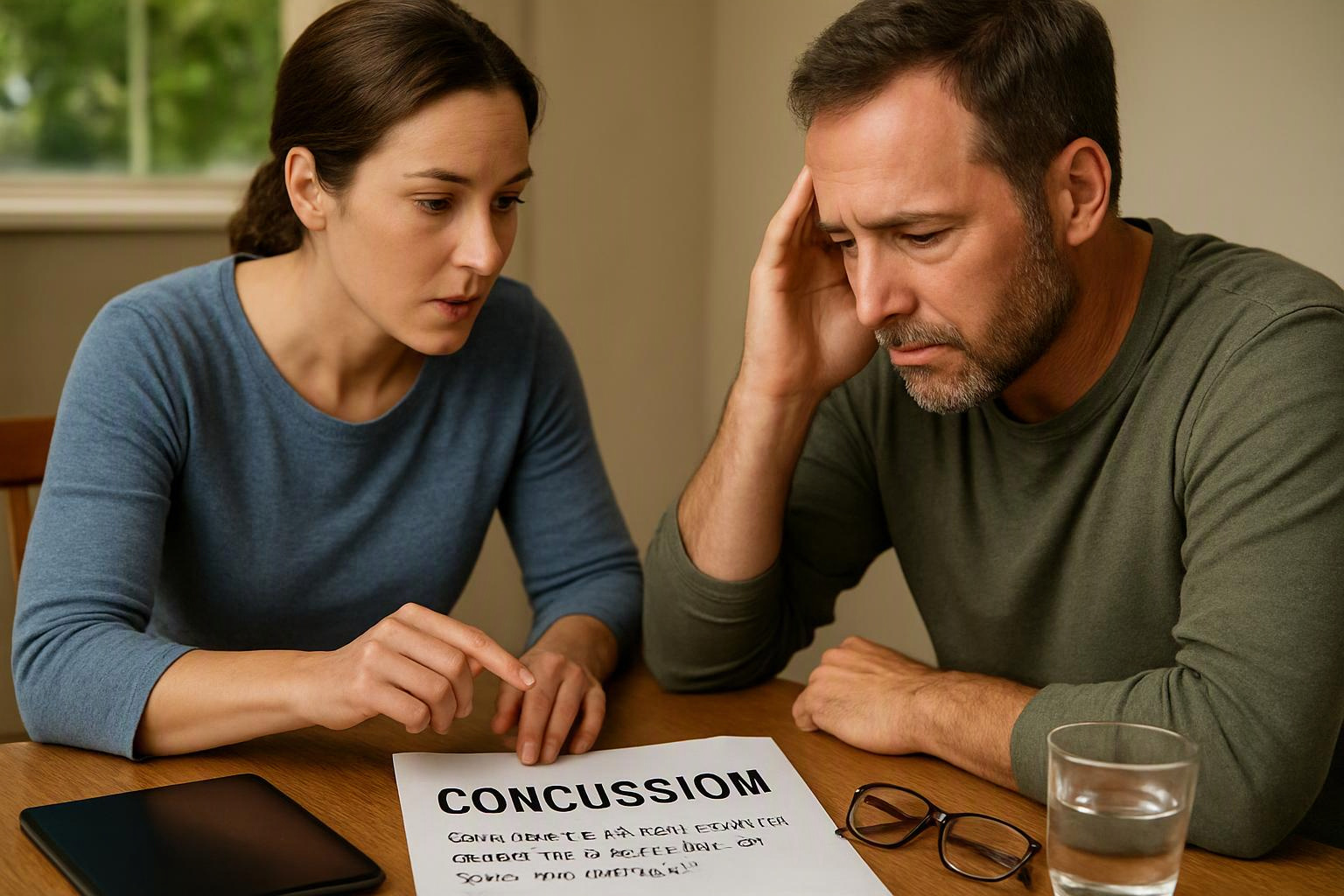
Concussion changes how the brain functions after force moves or strikes the head. A person may report headache, dizziness, confusion, memory problems, light sensitivity, or changes in mood. Symptoms can vary between people and can change as the brain responds to the injury.
Related glossary terms: Bodily Injury, Medical Records, Pain And Suffering.
Medical professionals assess the reported symptoms, the event, and observed changes in function. They may review medical records, examination findings, work limitations, and accounts from people who noticed changes after the incident. A normal scan does not necessarily resolve whether a concussion occurred, because some concussions involve functional changes that imaging does not show. Medical records and consistent symptom reporting can help explain the condition in a legal claim.
From the Atlanta Auto Law team
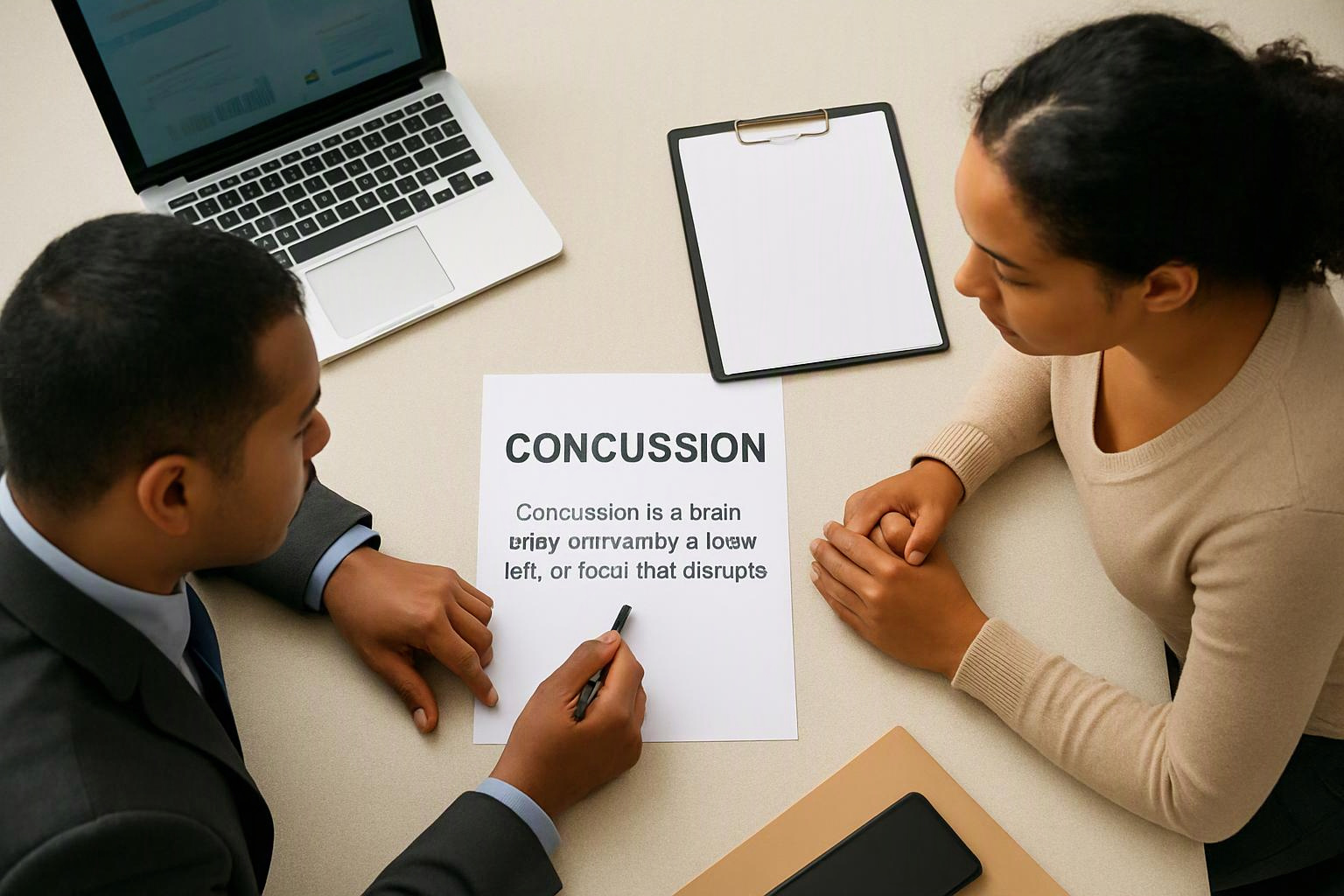
When we review a concussion claim, we connect the reported symptoms to the collision, medical evaluation, and changes in daily function. We examine records and witness accounts for consistent descriptions of confusion, memory problems, balance changes, or other effects. We also consider how the injury affects the broader brain injury claim.
Concussion in Practice: A Real-World Example
A driver strikes their head against the window during a side-impact collision and feels confused afterward. Medical records later document dizziness and difficulty concentrating, which may support a concussion claim within the Brain Injury Claims service.
Related Services
Related Terms
Bodily Injury
Bodily Injury is physical harm suffered by a person because of an accident, another person’s conduct…
Medical Records
Medical Records are written, electronic, or recorded materials that document a patient's symptoms, examinations, diagnoses, treatment…
Pain And Suffering
Pain And Suffering is a category of noneconomic damages that addresses the physical discomfort, emotional distress…
Atlanta Auto Law
Have Questions About Concussion?
Contact Atlanta Auto Law for practical guidance on Concussion and related personal injury attorney work in Druid Hills.