Who may be liable for a workplace injury beyond workers compensation?
A property owner may be liable when an unsafe condition contributes to a workplace injury. Atlanta Auto Law reviews possible claims involving property owners, negligent contractors, equipment manufacturers, third parties, and insurance carriers. The facts depend on control of the site, the work performed, the equipment involved, and the records available. Workers compensation issues may remain separate from a third-party claim.
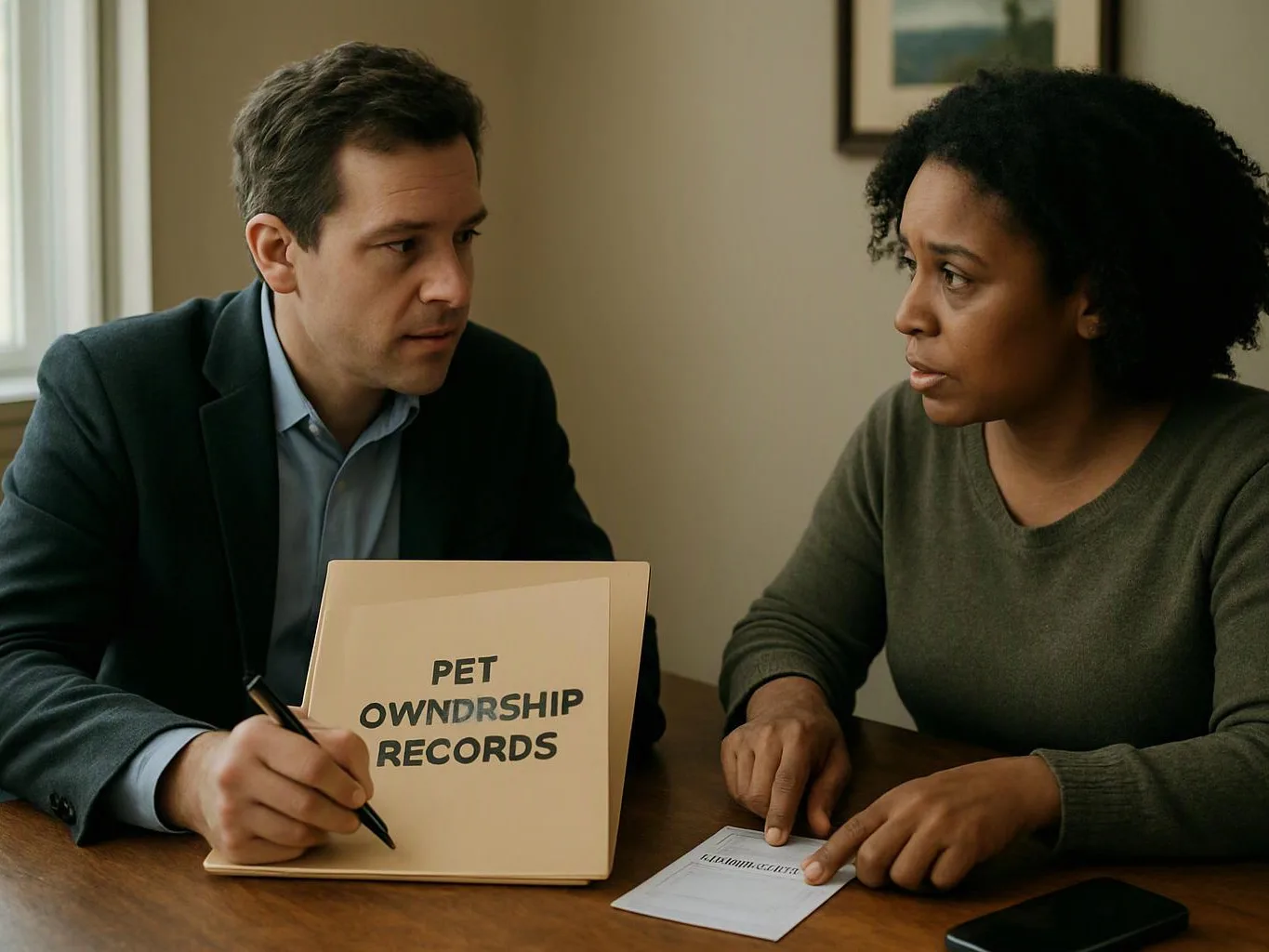
What records should I bring to the first consultation?
Medical records, incident reports, photographs, wage records, and insurance letters help start the review. Bring work instructions, witness information, equipment details, and any written account of the incident when available. These materials help connect the injury to a site condition, work act, or product. We can explain which documents need closer review.
How does a workplace injury case move from the first call to the last step?
The case moves from intake to record review, responsibility analysis, claim discussions, and possible negotiation or litigation. The first stage covers the incident and injury. Next, we assess medical records, worksite facts, and insurance communications. If the evidence supports a claim, the matter may proceed through negotiation, mediation, discovery, or trial.
Which part of the job site decides the legal scope?
The controlled work area often decides which parties require review. We examine the condition of the site, who maintained it, who directed the work, and whether a contractor or equipment supplier had a related duty. A site condition may support a premises liability theory, while a work act may point toward contractor negligence.
Which equipment issue can change the legal review?
A failed safety feature, missing warning, poor maintenance record, or unsafe design can change the legal review. We examine the equipment involved, available instructions, maintenance records, photographs, and medical evidence. The equipment maker, owner, supplier, or contractor may require separate analysis. Keep the equipment and related records available whenever possible.
When should I speak with an attorney after an injury at work?
You should request legal guidance when another party, unsafe property, faulty equipment, or an insurance dispute may be involved. Early review helps preserve incident records and identify the businesses connected to the worksite. It also helps separate workers compensation questions from possible third-party claims. Bring the records you already have, even if the file is incomplete.
Why might an insurance carrier dispute a workplace injury claim?
An insurance carrier may dispute the injury, its cause, the requested losses, or the responsibility of an insured party. We compare the carrier's position with medical records, incident reports, work records, and other evidence. A denied claim or delayed communication can change the next legal step. We explain the available options after reviewing the file.