Questions about spinal cord injury claims
How does a spinal injury claim move from the first call to the last step?
The claim moves from intake and record review to investigation, insurance negotiation, and possible litigation. We gather police reports, medical records, bills, wage information, and insurance documents. The case may proceed through a demand letter, mediation, discovery, or trial, depending on the evidence and the insurer's response.
Which documents should I bring to the consultation?
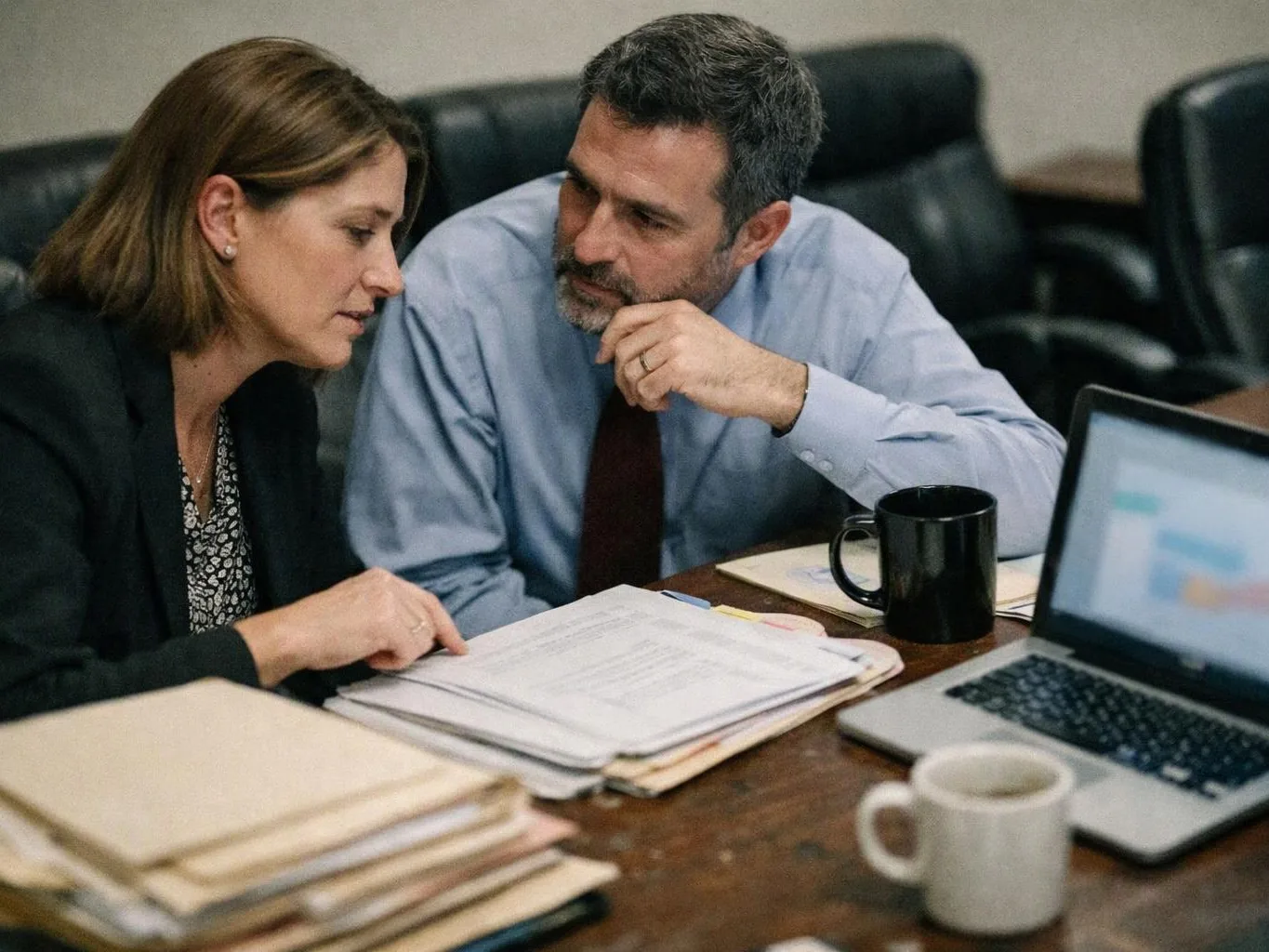
Police reports, medical records, bills, wage information, insurance details, and photographs give the first review useful facts. Bring what you have, even if the file is incomplete. Our team can identify other records that support the injury, treatment, losses, and circumstances of the incident.
When should I speak with a lawyer after a spinal injury?
You should seek legal guidance after receiving medical care and before making important insurance statements or accepting a settlement. Early review helps preserve records and clarify the claim. In Marietta, Georgia, Atlanta Auto Law discusses the incident, diagnosis, treatment, and financial effects during a free consultation.
What does a spinal cord injury claim address beyond medical bills?
A spinal cord injury claim can address documented medical expenses, lost income, property damage, pain and suffering, and other losses. The records must connect each loss to the incident and injury. We review bills, wage information, treatment records, and daily effects before presenting the claim.
How do insurance negotiations work after a serious injury?
Insurance negotiations use medical records, incident evidence, bills, wage information, and a demand letter to support the claim. Our team communicates with insurers and reviews proposed settlement terms. Clients receive legal guidance before deciding whether to negotiate further, pursue mediation, or continue toward trial.
Why might a spinal injury case go to trial?
A case may go to trial when the evidence, responsibility, or value of the losses remains disputed. Trial preparation includes discovery, witness work, medical proof, and presentation of the injury record. We explain the risks and choices before recommending the next step.