What evidence should I preserve after a rideshare crash?
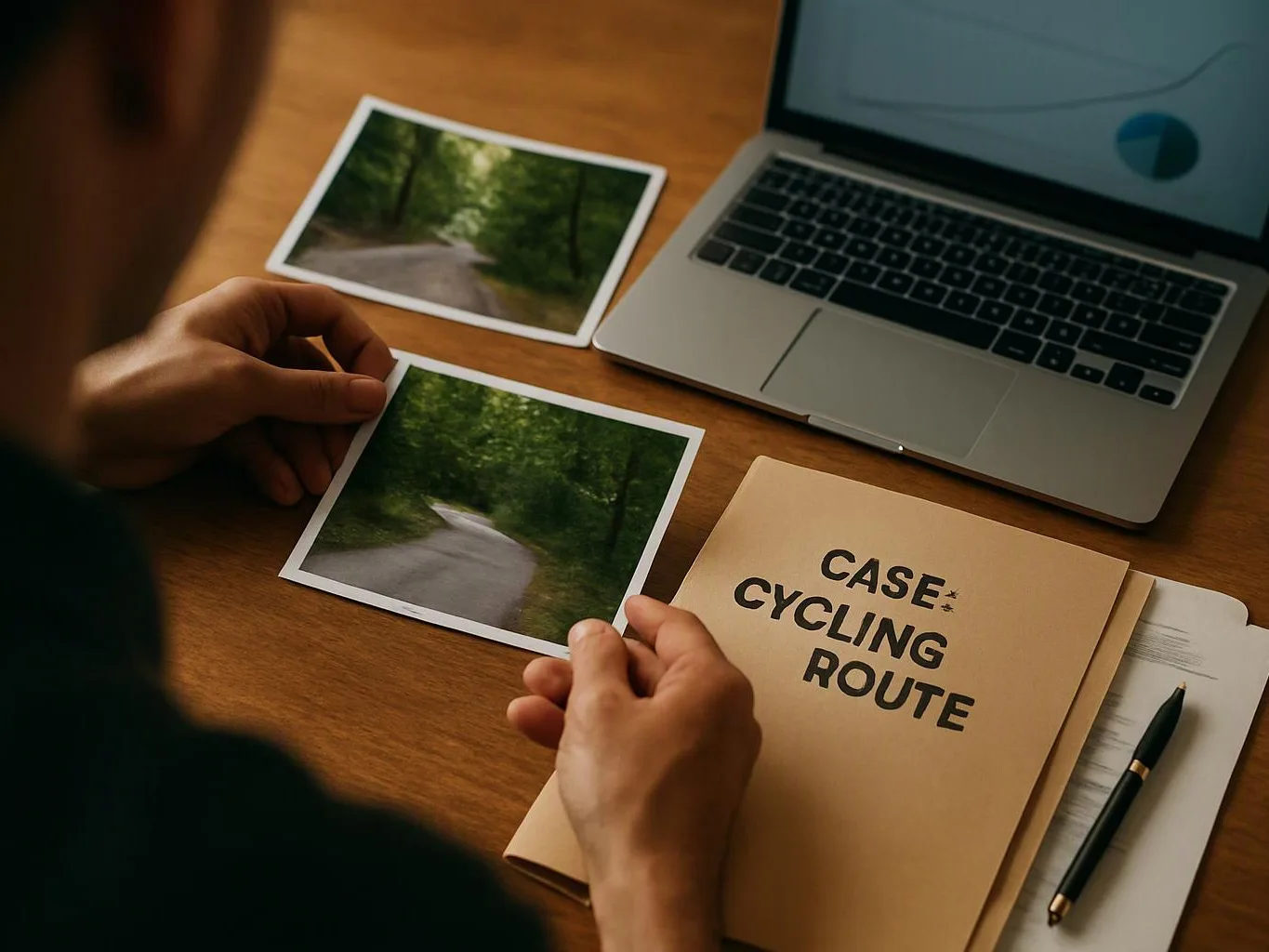
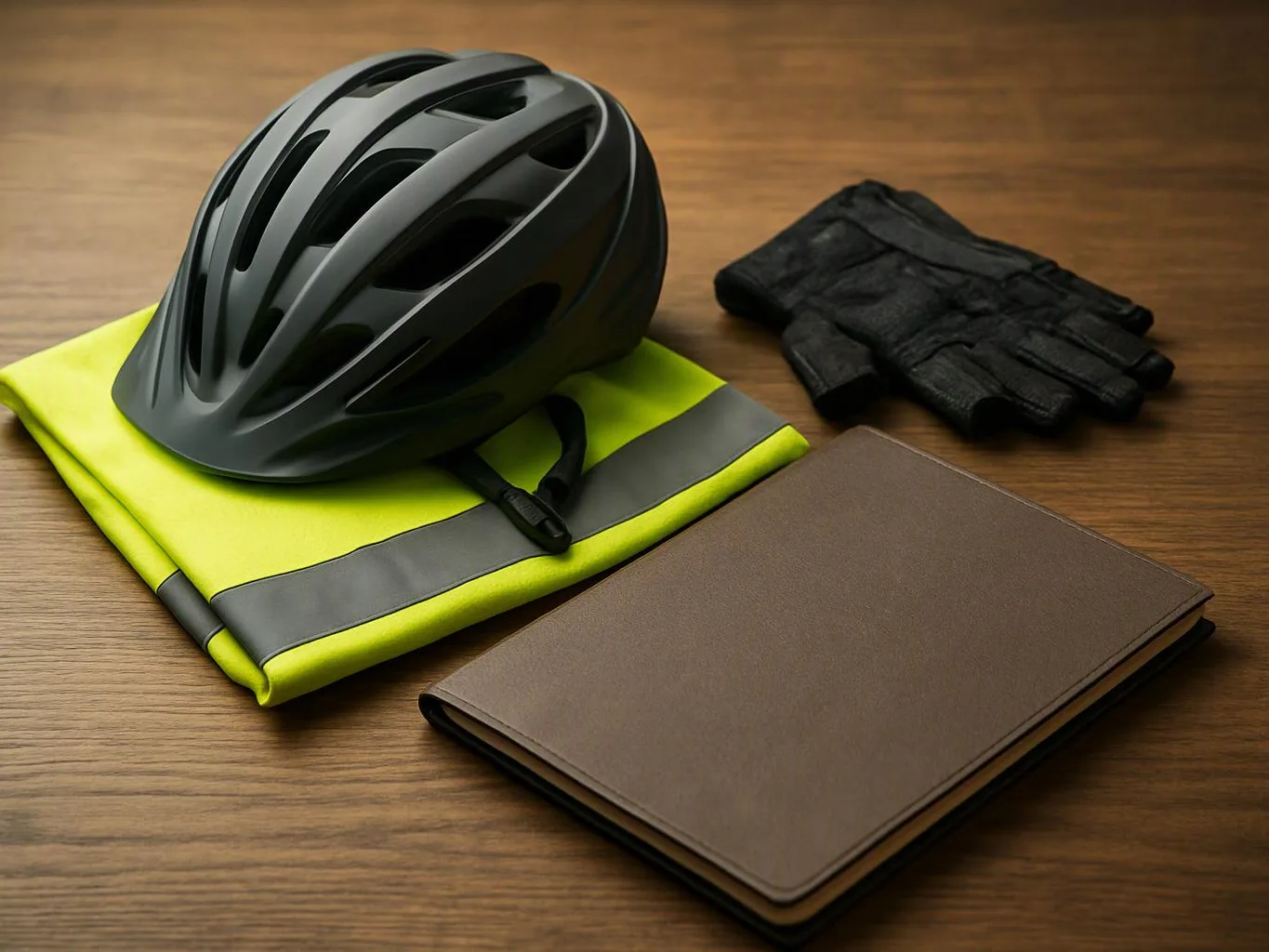
App records should be preserved with trip receipts, vehicle photos, and driver details after a rideshare crash. Save the original files and related messages.
Keep medical records, bills, police reports, witness information, and work records together. Atlanta Auto Law reviews these materials to connect the trip, collision, injuries, and financial losses.
What does the legal team look at first after a rideshare collision?
The initial review examines the crash account, injuries, trip status, available insurance details, and records that support each fact. We then compare police reports, photographs, medical records, and driver information.
That review helps identify missing evidence and the losses that belong in the claim. It also helps determine whether settlement talks or further investigation makes sense.
What should I check before requesting rideshare claim help?
Your first check should cover the trip confirmation, crash photos, driver information, medical care, and insurance messages. Keep each record in its original form.
A complete file helps us understand what happened without relying on one document. You don’t need every record before a consultation, but the available materials should be brought together.
Who is a good fit for this service, and who needs another service?
People injured in rideshare-related crashes are a good fit for this service. Atlanta Auto Law also reviews claims involving passengers, drivers, pedestrians, and other motorists.
A person facing only a criminal charge, family dispute, or unrelated contract issue needs another legal service. The consultation focuses on whether the facts involve an injury claim from a vehicle crash.
How does a demand letter help with a rideshare injury claim?
A demand letter organizes the liability facts, injuries, treatment, financial losses, and settlement position for the insurer. It gives the claim a documented structure.
We support the letter with records such as medical bills, police reports, photographs, and income documents. The letter does not guarantee a settlement, and negotiations still depend on the evidence and disputed facts.
Which records help show lost income after a rideshare crash?
Work records, wage statements, missed-shift details, and medical restrictions help document lost income after a crash. The records should match the treatment and recovery information.
We review those materials with medical records and the crash evidence. Self-employed clients may need business records that show how the injury affected work.
Why should I avoid discussing a settlement before the claim review?
An early settlement can close the claim before the full injury and financial loss are understood. Medical care, work loss, property damage, and future needs all matter.
We review the available evidence before discussing a settlement position. In Powder Springs, the same basic concern applies as anywhere in Georgia, because the decision turns on the claim facts.