How can I recognize signs of nursing home abuse?
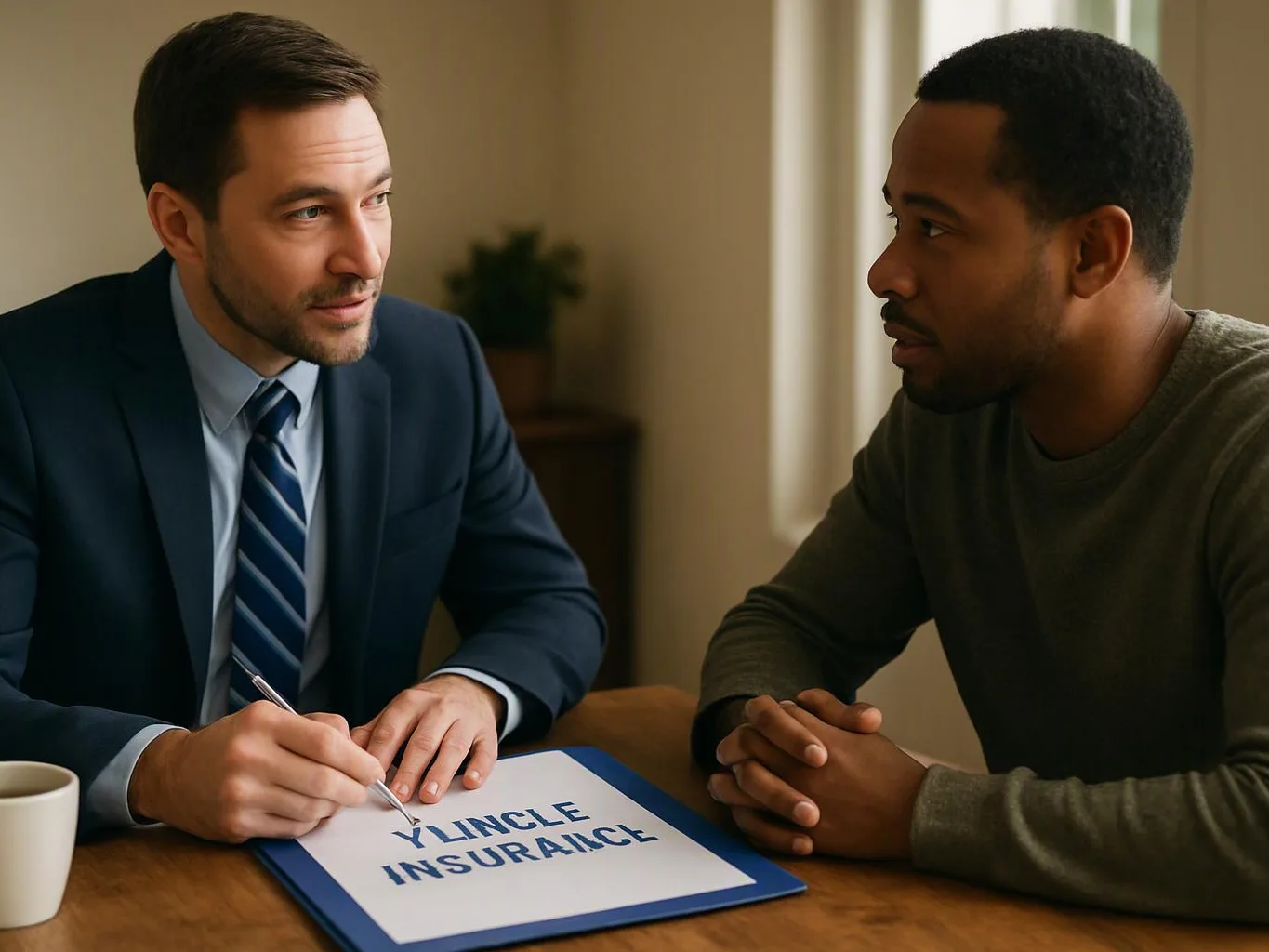
Unexplained injuries, bedsores, malnutrition, behavior changes, and medication misuse can signal abuse or neglect. Atlanta Auto Law reviews care plans, medical records, incident notes, and family observations to assess the pattern. Families should record dates, preserve photographs and messages, and bring available documents to a consultation. One sign does not prove a claim, but it can justify a closer review.
What records should I gather before a consultation?
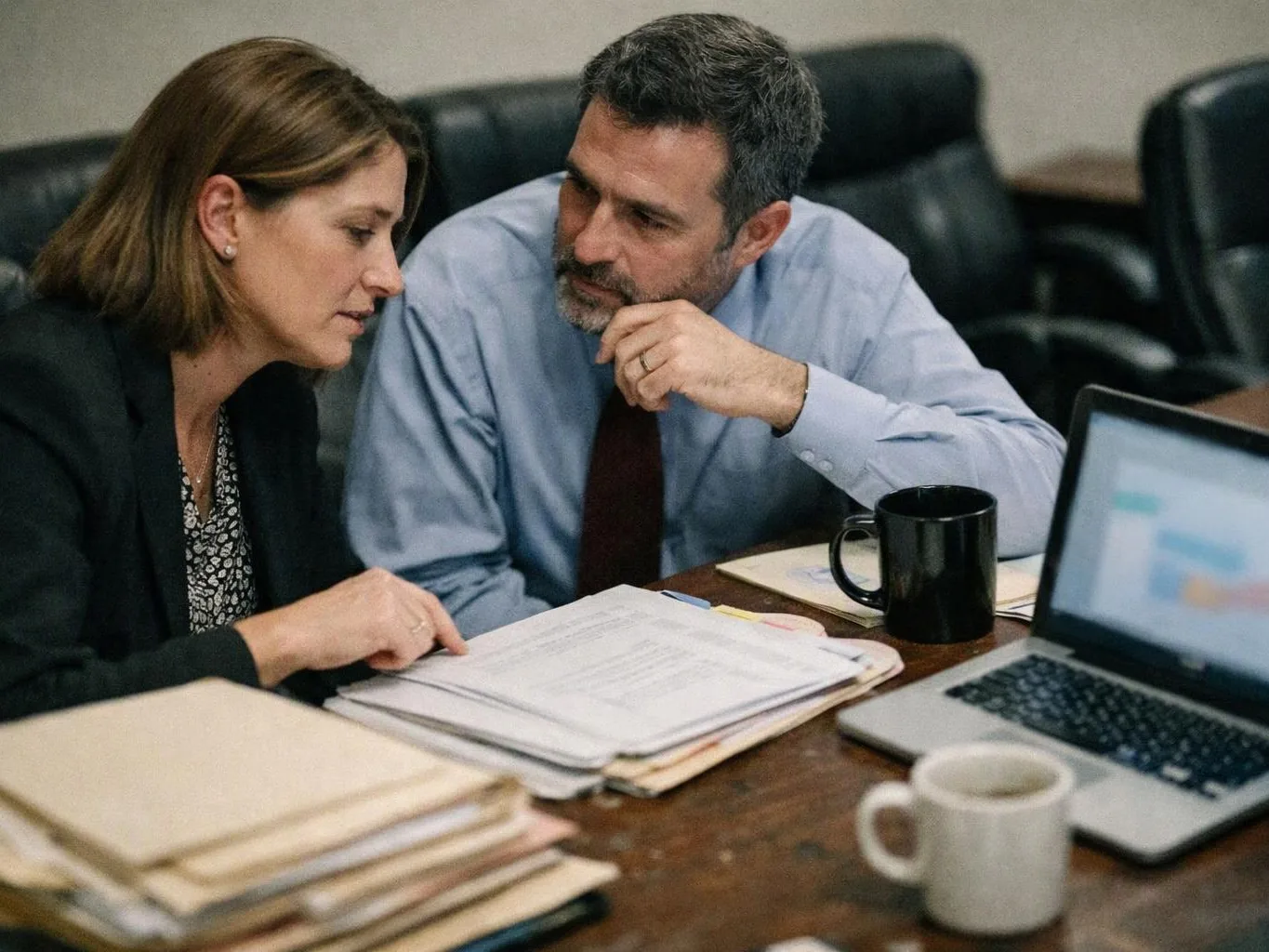
Medical records, care plans, medication records, incident reports, photographs, bills, and facility messages help frame the review. Please also write down changes in behavior, nutrition, mobility, or treatment. A complete file is helpful, but families can start a consultation with the records they already have. We identify useful follow-up documents during the intake.
Which condition changes how long the legal review takes?
The number of records, the severity of the injury, and the need to confirm medical harm usually shape the review time. Missing care notes or disputed medication records can require more follow-up. We set the next step after reviewing the available facts. We do not promise a fixed completion period before that review.
How does a nursing home abuse claim move from the first call to the last step?
Atlanta Auto Law begins with intake, reviews records, assesses losses, handles insurance discussions, and prepares settlement or trial work. The process includes investigation and evidence gathering before a demand letter or negotiation. Mediation, discovery, or trial may follow when needed. Each case receives a process based on its records and injury facts.
Why do behavior changes matter in an abuse review?
Behavior changes matter because they can show pain, medication effects, fear, confusion, or a change in care. We compare family observations with medication administration records, physician notes, and facility reports. Families should record what changed and when they noticed it. That information helps separate a possible care concern from an unrelated medical condition.
What does a personal injury attorney handle in a nursing home case?
A personal injury attorney investigates reported harm, reviews records, communicates with insurers, and pursues compensation for supported losses. Our team may handle wrongful death claims when a resident’s death connects to an injury-causing incident. The work does not replace medical care or an immediate safety response. Families should address urgent health risks with medical staff or emergency services.
How can a family tell whether this legal service fits?
This service fits when suspected facility care caused or worsened an injury, illness, loss, or wrongful death. Relevant facts can include bedsores, poor nutrition, unsafe medication use, or unexplained physical harm. A consultation helps distinguish a personal injury claim from a complaint that needs only a care review or another legal service.