How can I identify signs of nursing home physical abuse?
Bruising is a warning sign when marks repeat, appear in unusual places, or conflict with the facility’s explanation. Other signs include fear around staff, sudden behavior changes, unexplained injuries, restraint marks, and poor hygiene. Medical care comes first. Photographs, care notes, medication records, and witness accounts can help us review the situation.
Who handles nursing home abuse claims for Atlanta families?
Atlanta Auto Law handles nursing home abuse claims for residents and families. Our team investigates suspected abuse, neglect, medication errors, restraints, bedsores, and unexplained injuries. We review records, communicate with insurers, and prepare supported claims for negotiation, mediation, or trial. Every case is different, so the evidence guides the legal strategy.
How does a claim move from the first call to the last step?
The claim moves from intake to record review, investigation, legal assessment, negotiation, and possible litigation. We first discuss the resident’s condition and the suspected harm. Then we gather records and identify witnesses. If the evidence supports a claim, we handle insurer communication and discuss settlement, mediation, discovery, or trial.
Which records help show whether resident harm was preventable?
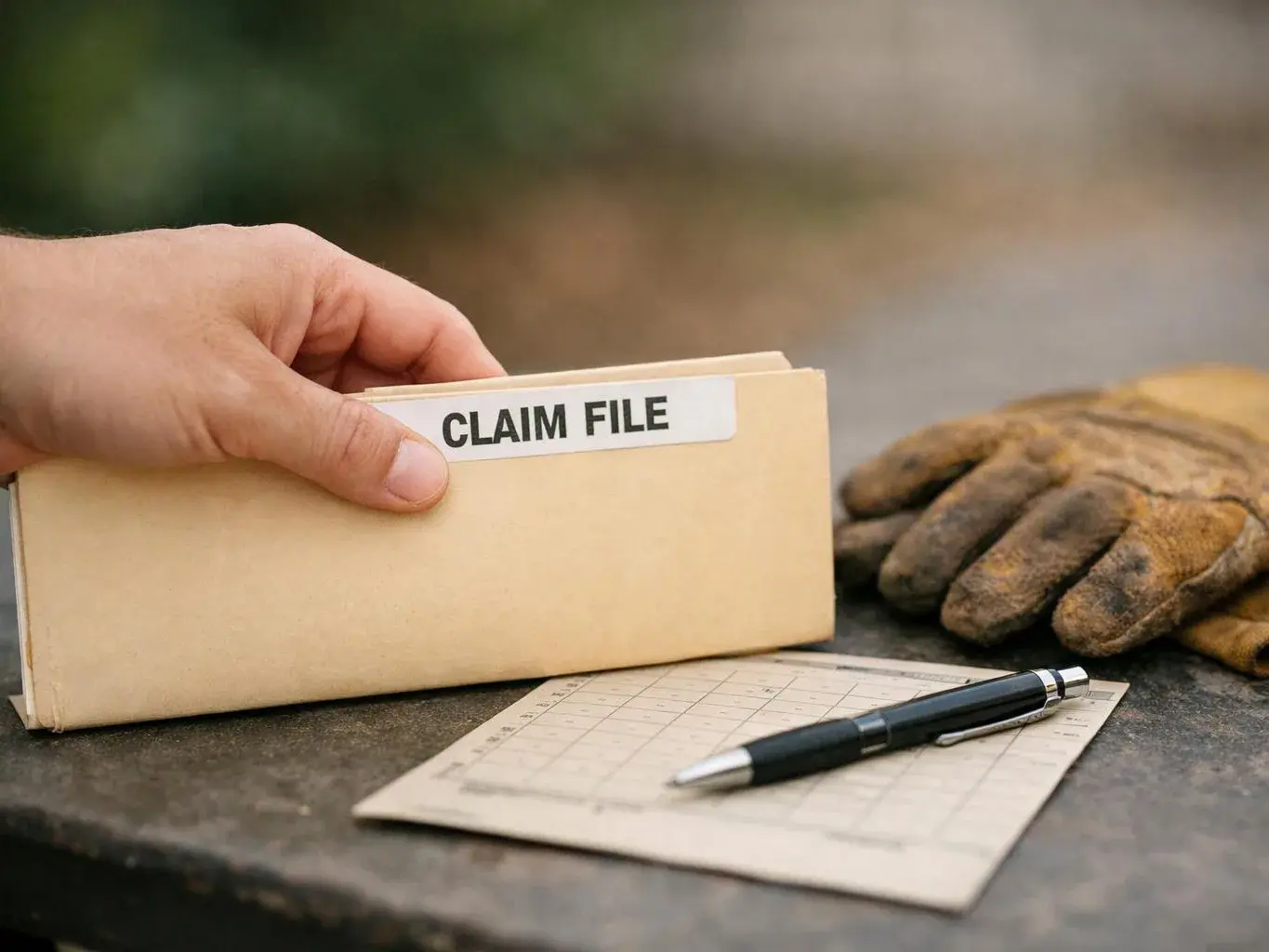
Care notes, medical records, medication administration records, incident reports, photographs, and witness statements often provide the clearest starting evidence. These materials can show the resident’s condition, instructions, treatment, and changes over time. Families should preserve what they already have and avoid altering original messages or photographs.
When should a family seek legal advice after an unexplained injury?
A family should seek legal advice when an injury is unexplained, repeated, serious, or paired with conflicting staff accounts. Immediate medical care and resident safety come first. After that, preserve photographs, names, dates, records, and facility communications. A prompt review can help identify what evidence needs protection.
What changes the legal work when a resident has bedsores?
Bedsores require a close review of mobility, repositioning, nutrition, treatment, wound records, and medical instructions. The claim turns on what care the resident needed and what care the facility provided. We compare those records with photographs and treatment notes to assess whether neglect may have contributed.
How do medication errors affect a resident injury claim?
Medication errors affect a claim when the records connect an incorrect drug, dose, timing, or administration decision to harm. Medication administration records, orders, pharmacy information, and medical notes help establish that link. We review the full care history because confusion or sedation can have more than one possible cause.