How can I challenge an insurer that improperly denied my claim?
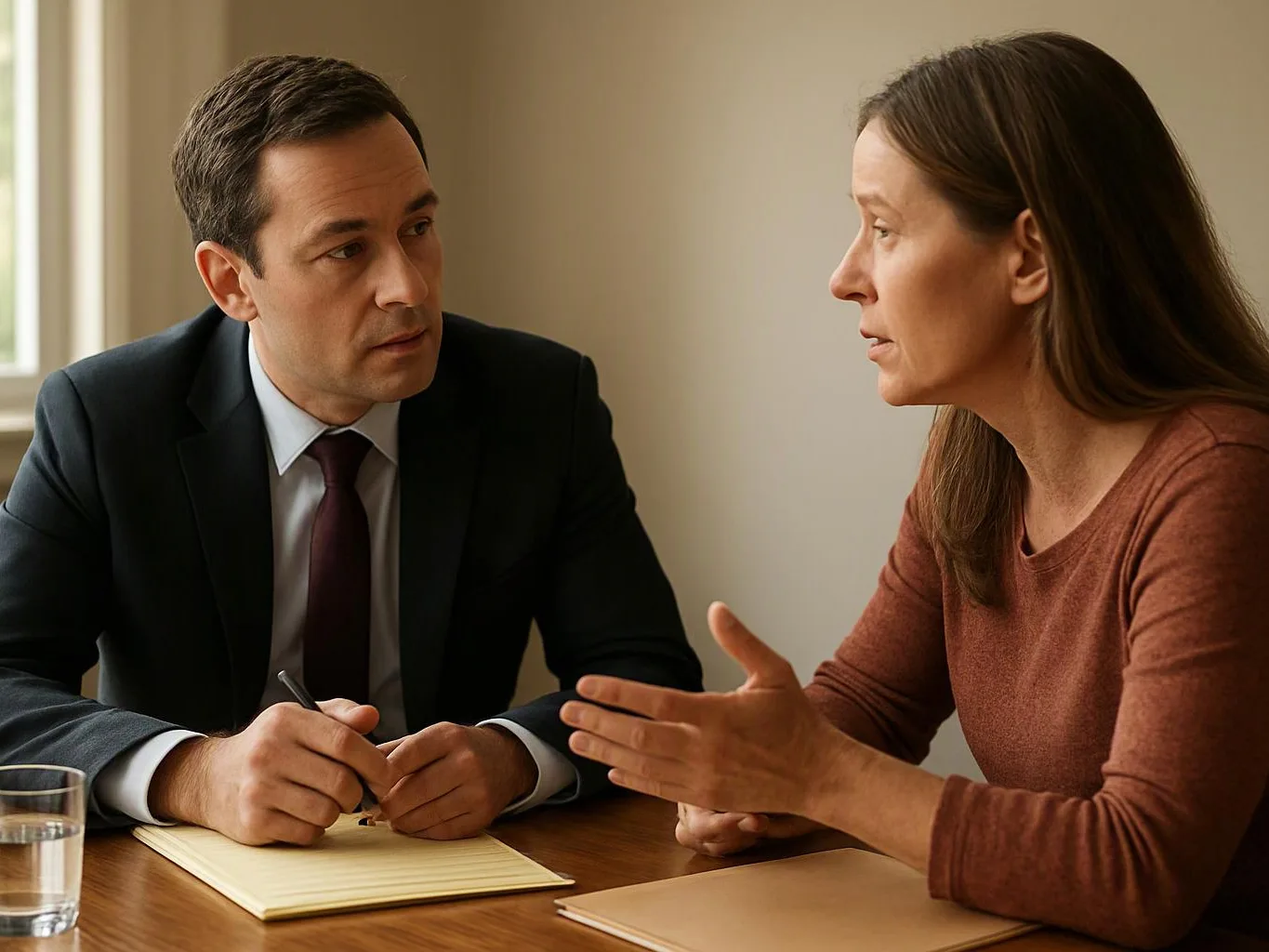
The appeal process starts by comparing the denial letter with the policy and claim evidence. Atlanta Auto Law reviews the coverage position, medical records, police records, and insurer communications. We then explain whether the dispute concerns policy coverage, claim handling, or both. A free consultation can help organize the record before further communication with the insurer.
What does the legal review look at first?
The denial letter and policy terms receive the first review. We check the stated reason, relevant exclusions, notice history, and documents the insurer considered. Clients should also preserve claim emails, recorded statements, medical records, photographs, and wage information. Those materials help show whether the decision matches the policy and the available evidence.
Which documents should I bring before an appeal is scheduled?
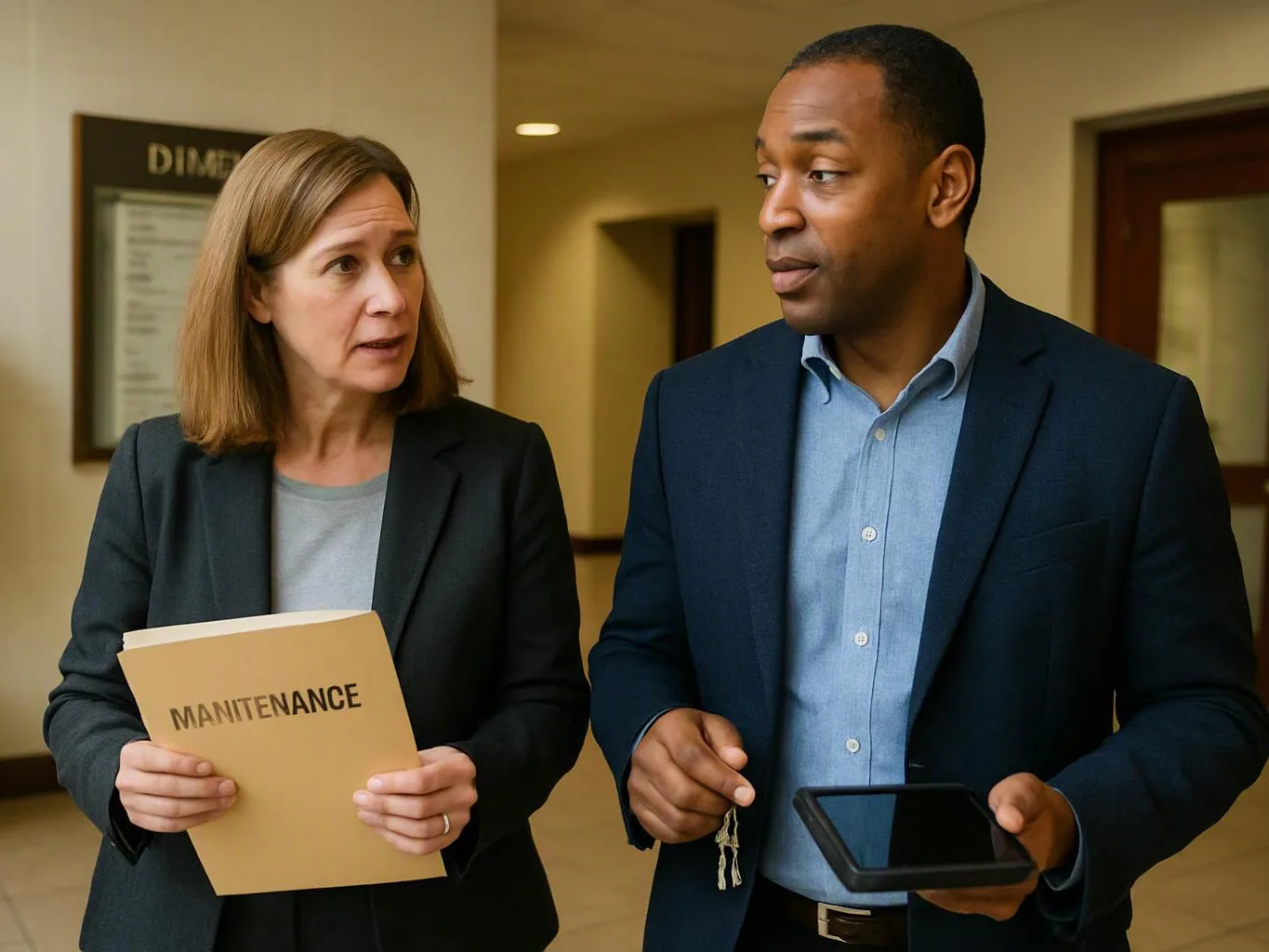
The most useful documents are the policy, denial letter, claim number, insurer messages, accident report, medical records, photographs, and proof of lost income. A complete file helps us identify the disputed issue sooner. Clients should keep original files and avoid deleting texts or emails tied to the claim.
When is a coverage dispute different from an injury claim?
A coverage dispute concerns whether an insurance policy applies to the loss. An injury claim seeks compensation for harm such as medical expenses, lost income, pain, or property damage. Some cases involve both issues. We separate them so the client understands which facts support the accident claim and which facts address the insurer's position.
Who is a good fit for this legal service?
A policyholder facing a denied or disputed injury claim is a good fit for review. The matter should connect to an accident or other injury-causing incident handled by our firm. A routine contract dispute, unrelated property matter, or claim outside our personal injury scope may need a different service.
Why should I preserve insurer messages after a denial?
Insurer messages can show what information the company received and how it explained the decision. Keep letters, emails, texts, recorded statement notices, claim forms, and adjuster notes. Our review uses that timeline with the policy and loss records to assess the coverage dispute.
What does a free consultation cover?
A free consultation covers the basic facts, the denial, the policy issue, and the records available for review. We discuss whether the matter fits our personal injury and insurance bad faith services. The consultation does not replace a full case assessment, which depends on the documents and claim history.