How can witness accounts identify a hit-and-run driver?
Witness accounts can identify a driver when their vehicle details match other evidence. Atlanta Auto Law compares the account with license details, vehicle damage, debris, photographs, police records, and video. A witness should record what they saw without guessing at missing facts. Names, contact information, location, and the direction of travel can all help the review.
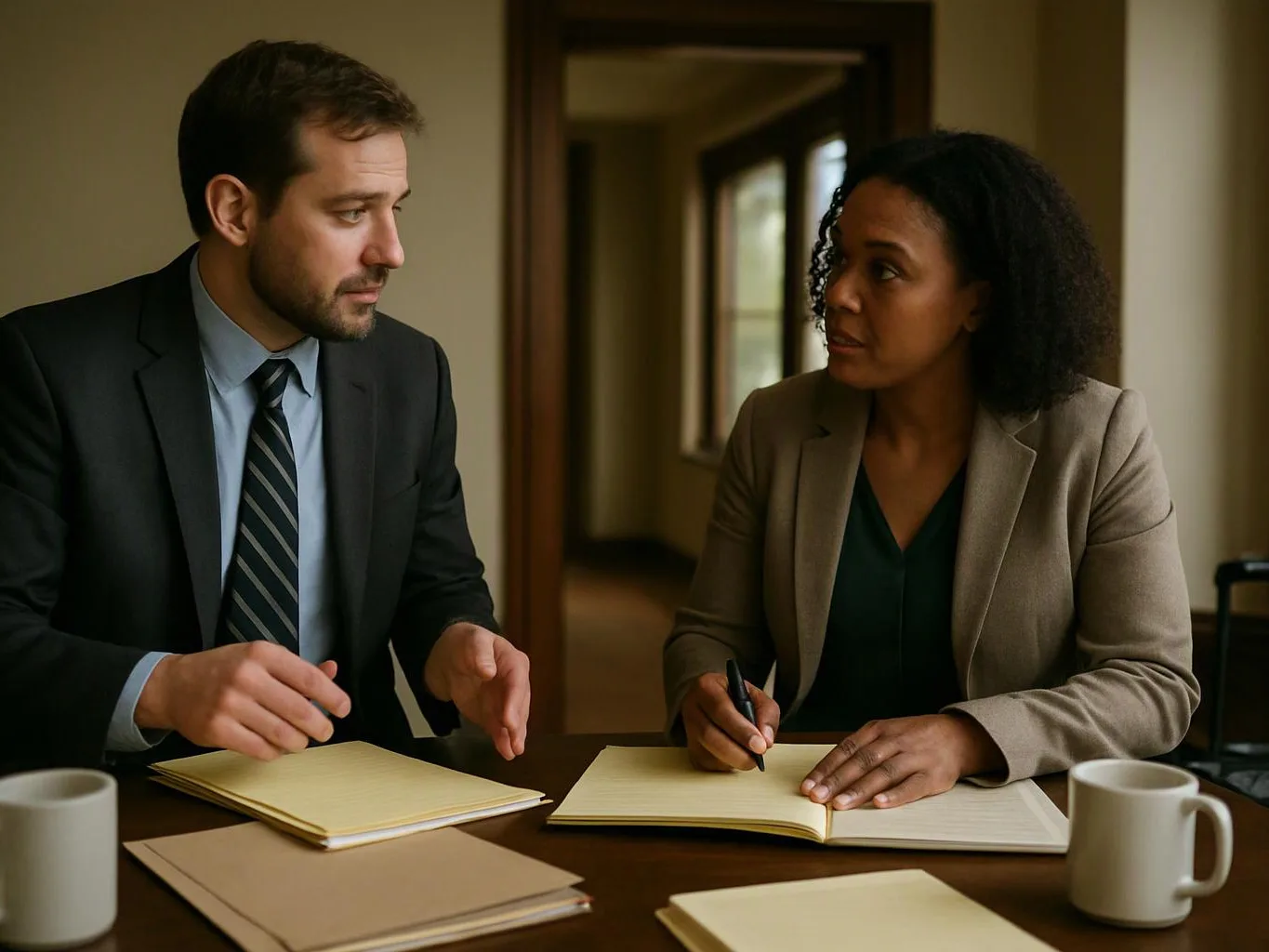
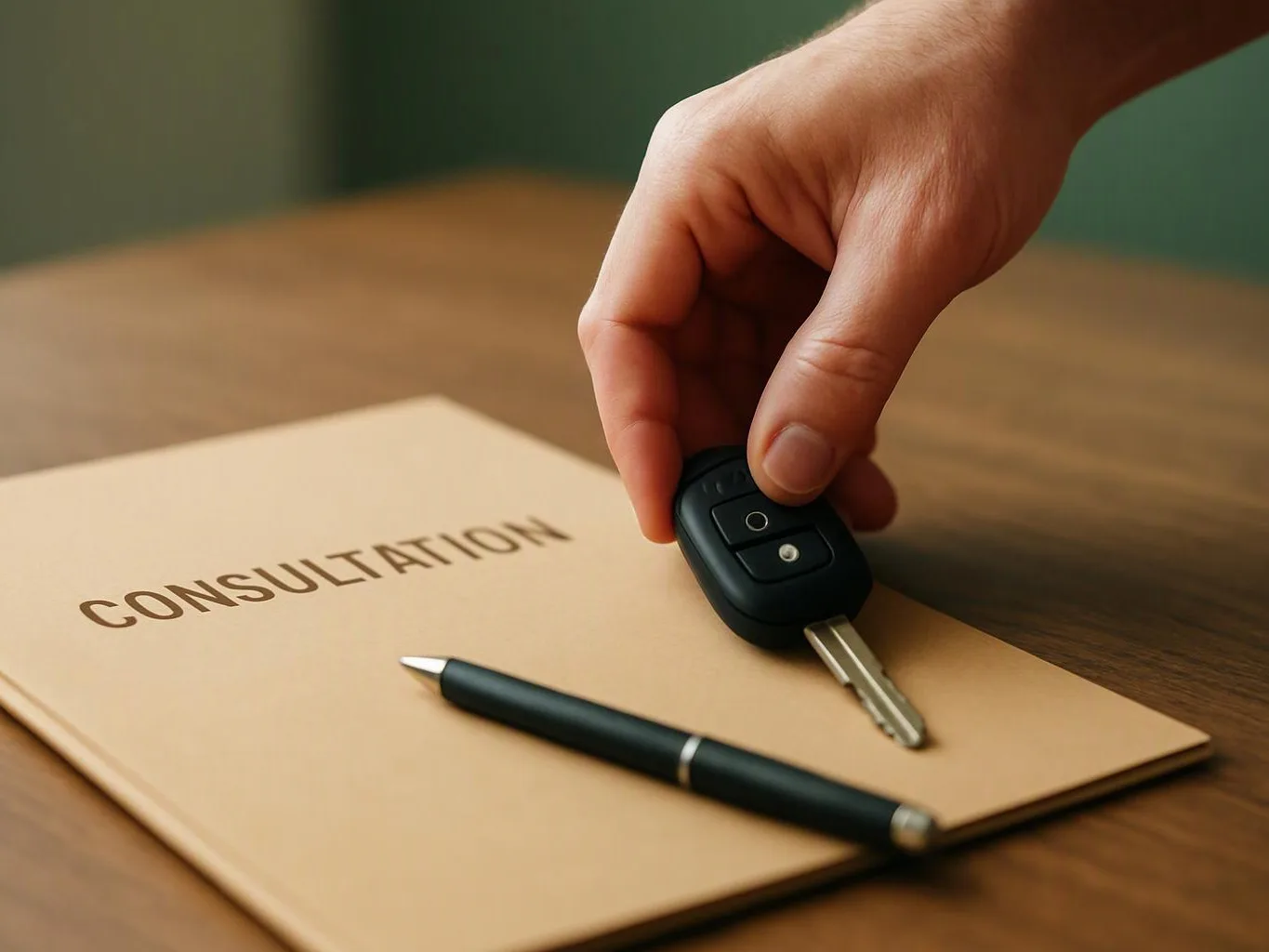
What documents should I bring to the first consultation?
Police reports, medical records, photographs, insurance letters, witness information, and wage records help start the review. Bring original messages and notes about the vehicle, plate, driver, and crash scene. Missing documents do not end the discussion, but the available record helps us identify what needs follow-up.
Which part of the evidence decides the claim scope?
The injury record and the available proof of driver identity usually shape the claim scope. Medical records show the treatment and harm, while video, debris, photographs, and witness details address the crash. We also review insurance coverage and wage loss before setting the next legal step.
When should I preserve surveillance video?
Surveillance video should be identified and preserved as soon as possible after the crash. Cameras may cover a business entrance, parking area, roadway, or nearby property. We note possible camera locations and request relevant footage through the proper claim process. The video must be compared with the crash time, vehicle details, and witness information.
Why do license details matter in a hit-and-run claim?
License details matter because even partial plate information may support a vehicle match. The detail becomes more useful when it agrees with the vehicle color, body style, damage, direction of travel, or video. Do not fill gaps from memory. Preserve the original account so we can compare it with the other evidence.
How does the claim move from the first call to the last step?
The claim moves from intake and evidence review to records gathering, insurance negotiation, and possible litigation. We first learn about the crash, injuries, witnesses, video, and vehicle evidence. Then we assess losses and prepare the claim. If negotiation does not resolve the matter, discovery, mediation, or trial may follow.
What does a personal injury attorney handle after a hit-and-run?
A personal injury attorney can handle evidence review, records gathering, insurer communication, demand work, and settlement negotiation. Atlanta Auto Law also represents clients in car, truck, motorcycle, rideshare, pedestrian, bicycle, and wrongful death claims. Every case is different, so the available evidence and injuries guide the work.