Who may be liable after a construction accident?
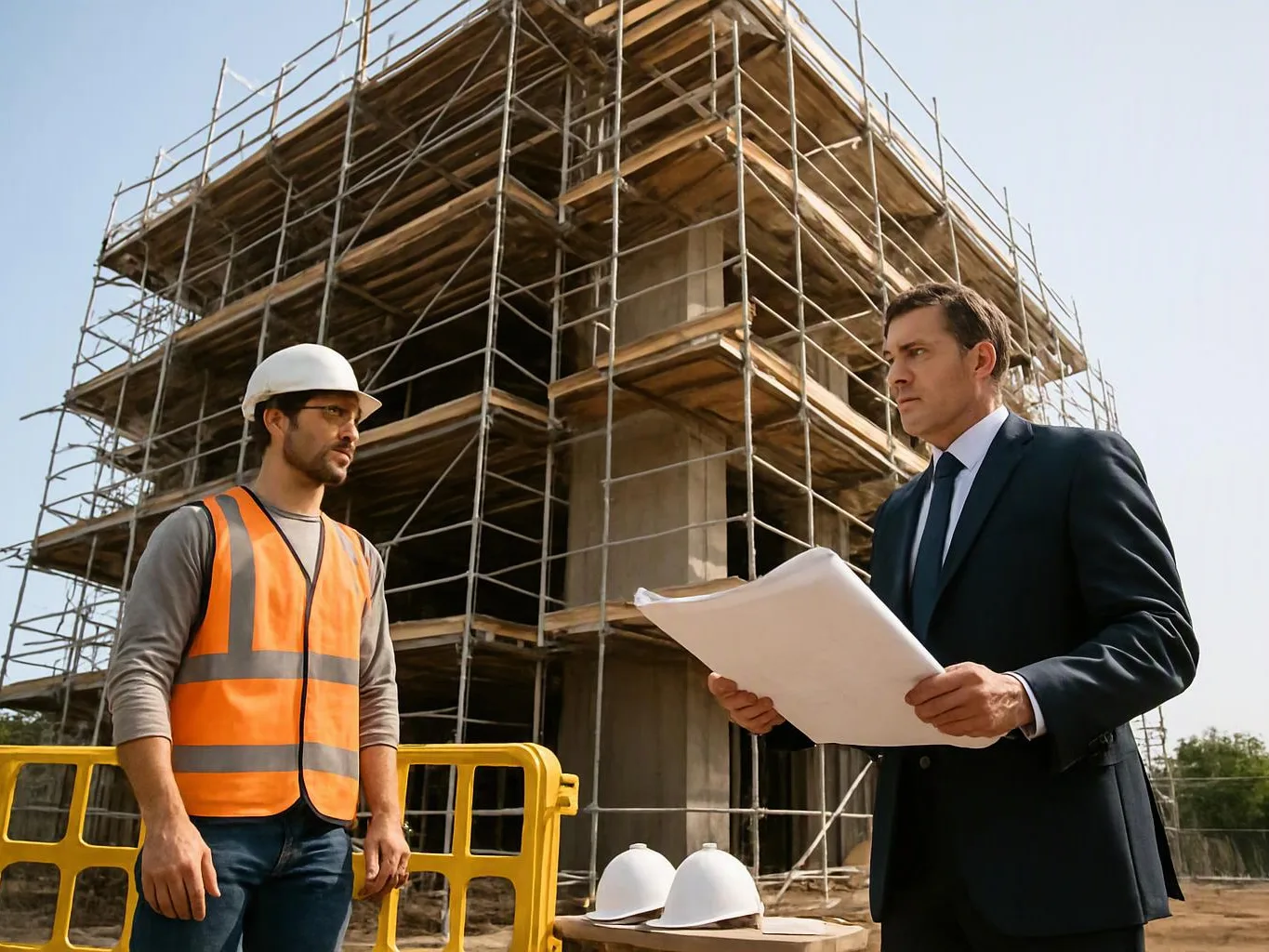
Property owners may be liable when their conduct, control, or notice of a dangerous condition supports the claim. General contractors, subcontractors, supervisors, and equipment manufacturers may also face liability based on their roles. Atlanta Auto Law reviews contracts, site records, safety directions, maintenance documents, and witness accounts before identifying possible defendants.
How is a claim matched to the worksite before review starts?
The worksite's control structure guides the first legal review. We identify the owner, general contractor, subcontractors, supervisors, and equipment providers tied to the accident. Contracts, site rules, inspection records, and access logs can show who directed the work or knew about a condition. That review helps separate a site claim from a workers compensation issue.
What should be ready before a construction accident consultation?
Medical records, photographs, incident reports, witness names, wage information, and insurer letters are useful starting documents.
- Bring any work contract or site notice you have.
- Keep photographs and equipment in their original condition.
- Write down the accident facts while they remain fresh.
Missing documents should not stop you from requesting a free consultation.
Which records help show who controlled the site?
Contracts, safety plans, inspection logs, work orders, access records, and written instructions can show who controlled a task or condition. We compare those records with witness accounts and medical proof. A record may support one party's role, but the full set of facts matters before liability is assessed.
When should a customer ask about equipment manufacturer liability?
Equipment manufacturer liability deserves review when a tool, lift, machine, or safety device fails and causes injury. Preserve the equipment, photographs, purchase records, maintenance notes, and warning labels when possible. Our team checks whether the issue involves a defect, poor instructions, inadequate warnings, or another party's maintenance work.
Why can workers compensation and a third-party claim involve the same accident?
Workers compensation may address an employee's job injury, while a third-party claim may address fault by an outside company or product maker. The two claims use different legal questions and records. We review employment status, site control, contracts, and equipment involvement before explaining which claims may fit.
What should a customer ask before agreeing to legal representation?
Ask who will lead the case, which records will be reviewed, how communication will work, and how the contingency fee agreement operates. Atlanta Auto Law explains the claim process during a free consultation. You should also ask how workers compensation, insurance negotiation, discovery, mediation, and trial preparation may affect the legal strategy.