How can I establish liability after a bicycle accident?
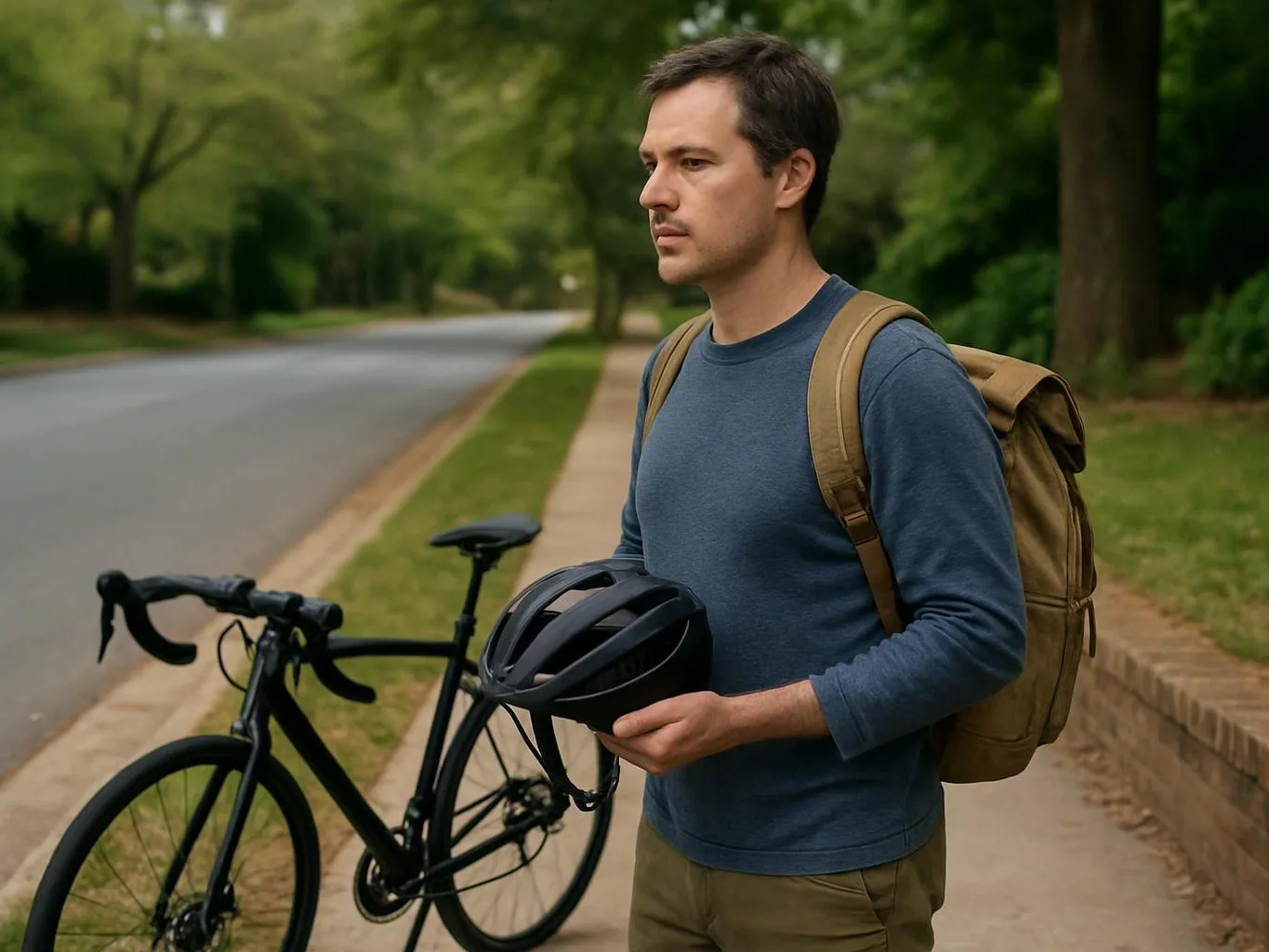
Driver conduct can establish liability when the evidence connects an unsafe action to the collision. Atlanta Auto Law reviews the crash report, witness accounts, photographs, traffic signals, and medical records. We also assess whether the driver's account conflicts with the available roadway facts. That review helps determine whether insurance negotiation or litigation fits the claim.
What should be ready before the first consultation?
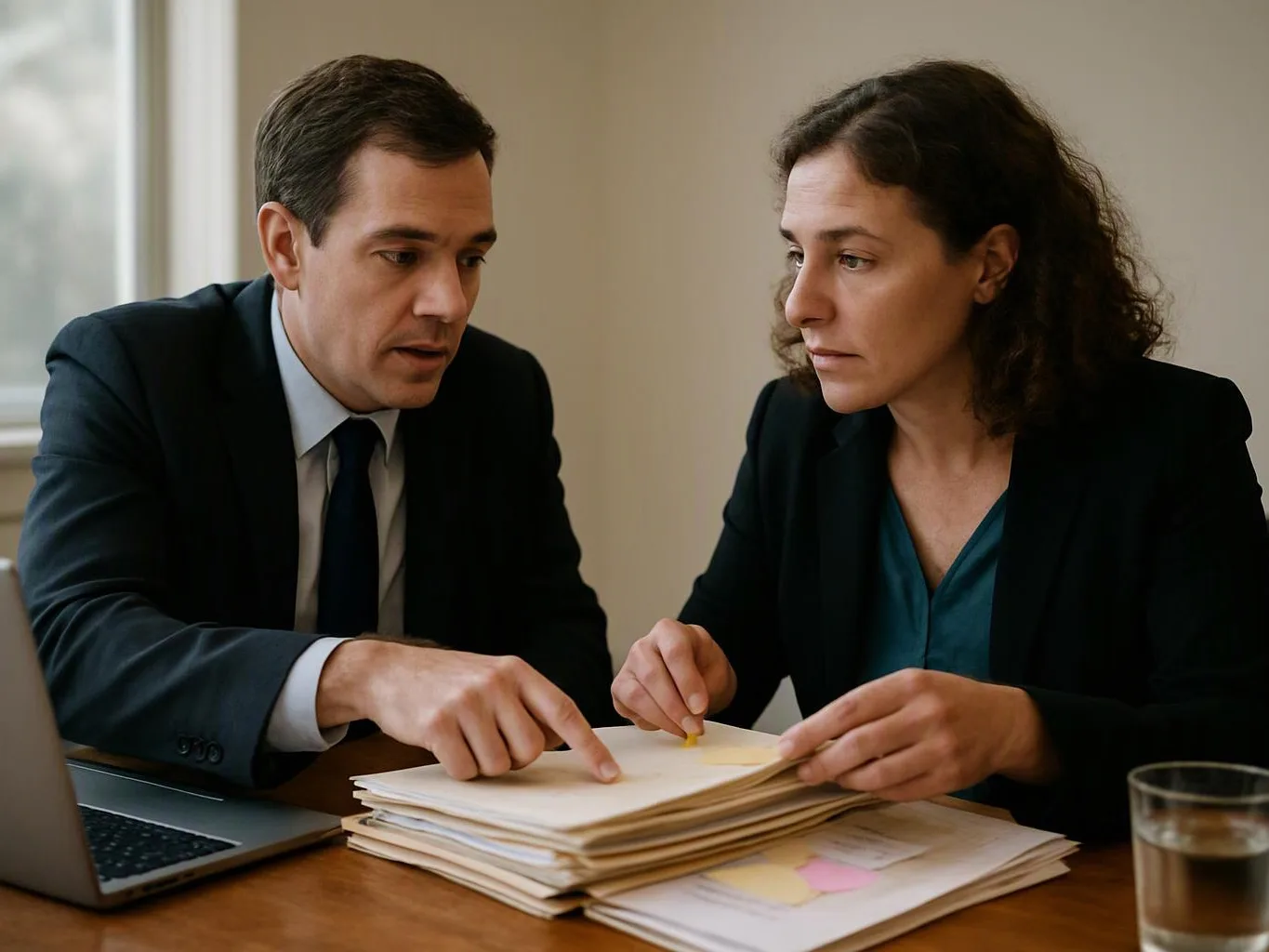
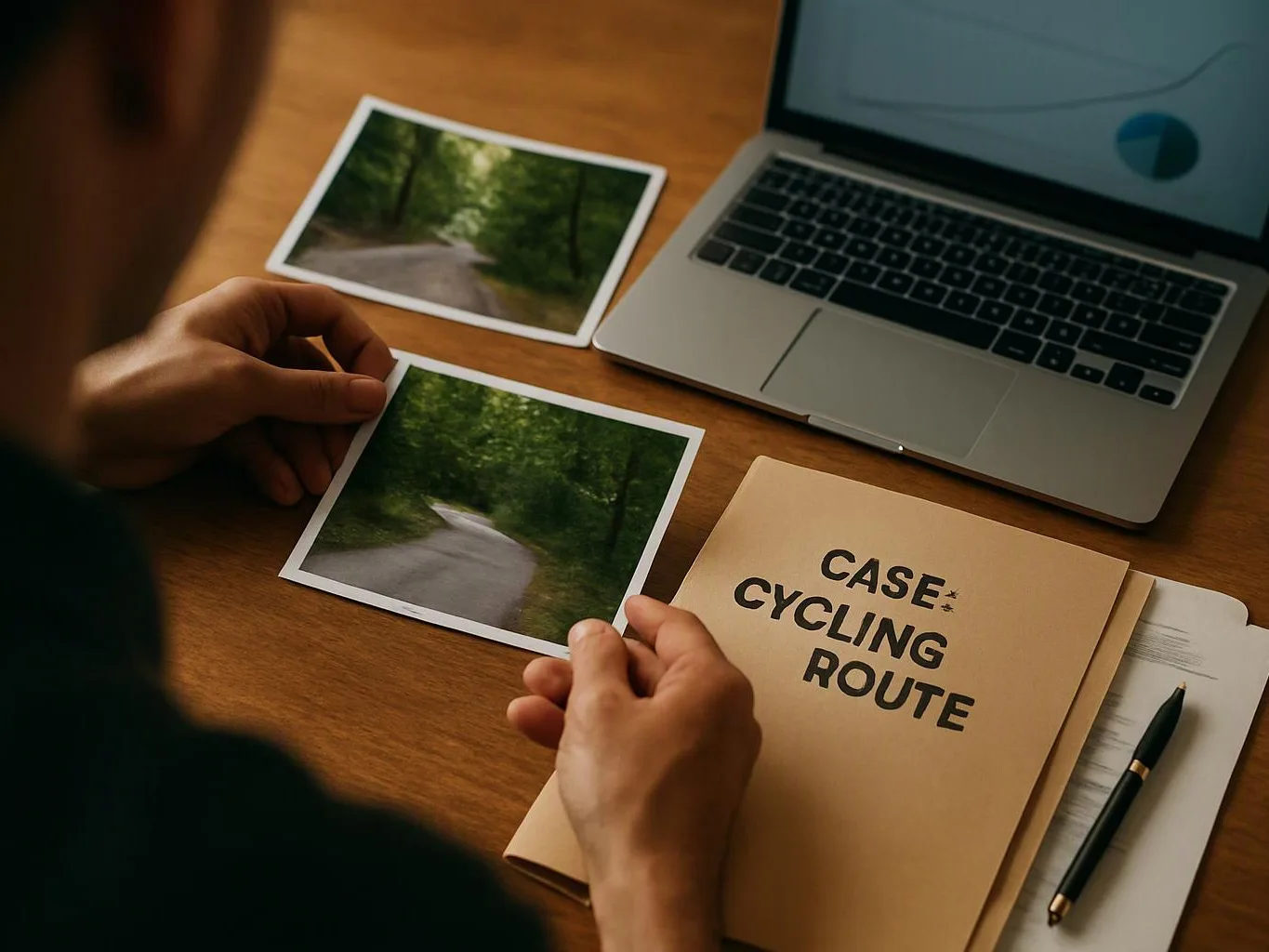
Police records, medical records, photographs, insurance details, and wage-loss information help begin the case review. Bring what you have, even if the record is incomplete. Our team can identify other useful documents after hearing the collision account. Preserve bicycle damage and related photographs when possible.
Which roadway condition changes the time needed for a liability review?
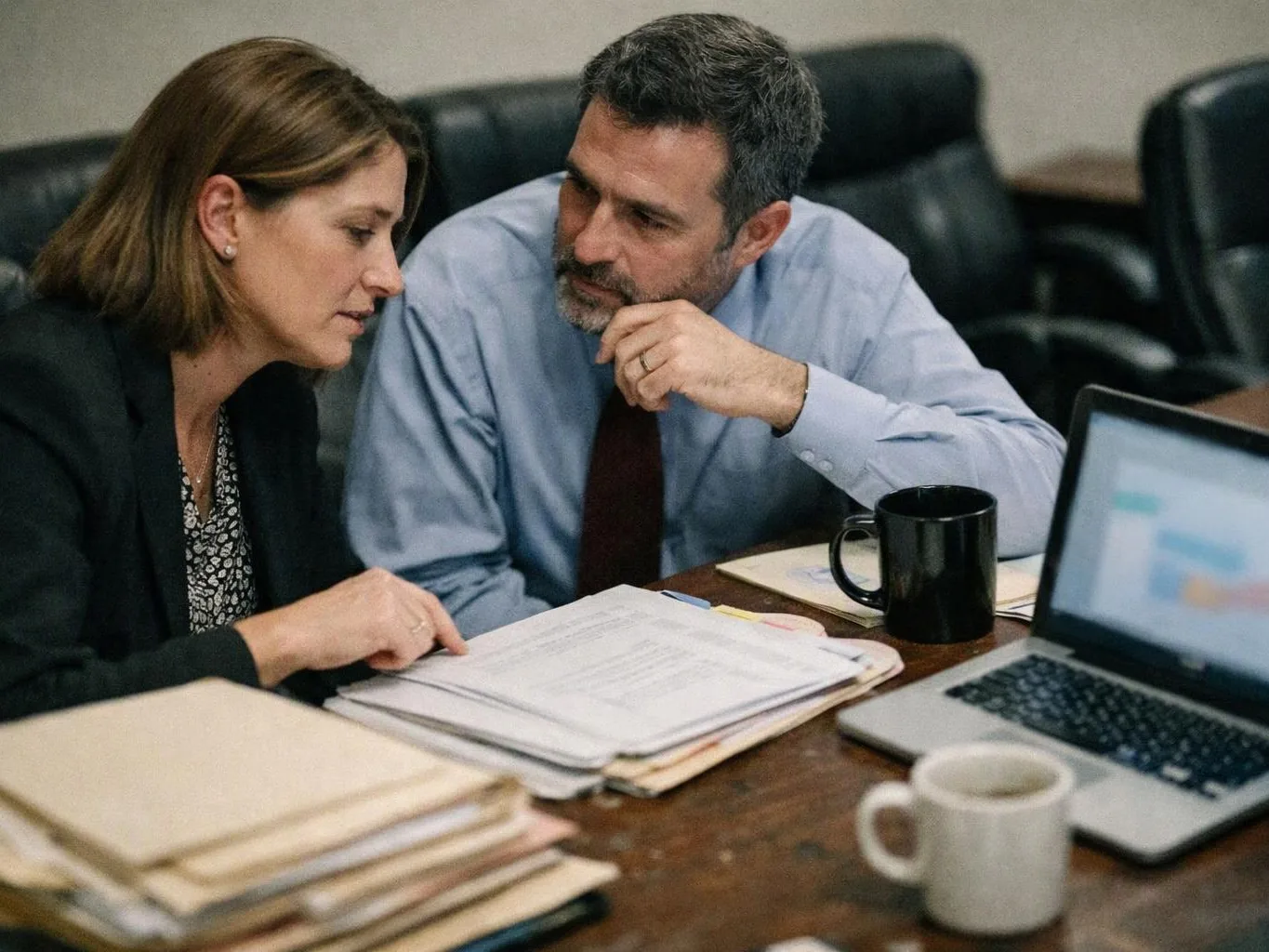
The number and quality of disputed roadway facts can change the review time. Bike lane markings, traffic signals, road hazards, photographs, and witness accounts may require separate comparison. A clear crash report can narrow the issue, while conflicting accounts require closer record review.
When should medical records be shared with the lawyer?
Medical records should be shared as soon as they are available because they document diagnosis, treatment, and injury connection. Later records can still add important information. Our team reviews medical care alongside the collision facts, lost income, and insurance position.
Why might an insurer dispute a bicycle injury claim?
An insurer may dispute a claim when it questions fault, injury connection, treatment, or the amount of loss. The response should rely on records rather than assumptions. We address the insurer's position through evidence review, written demands, negotiation, or litigation when appropriate.
How is a bicycle claim matched to the legal work before negotiations start?
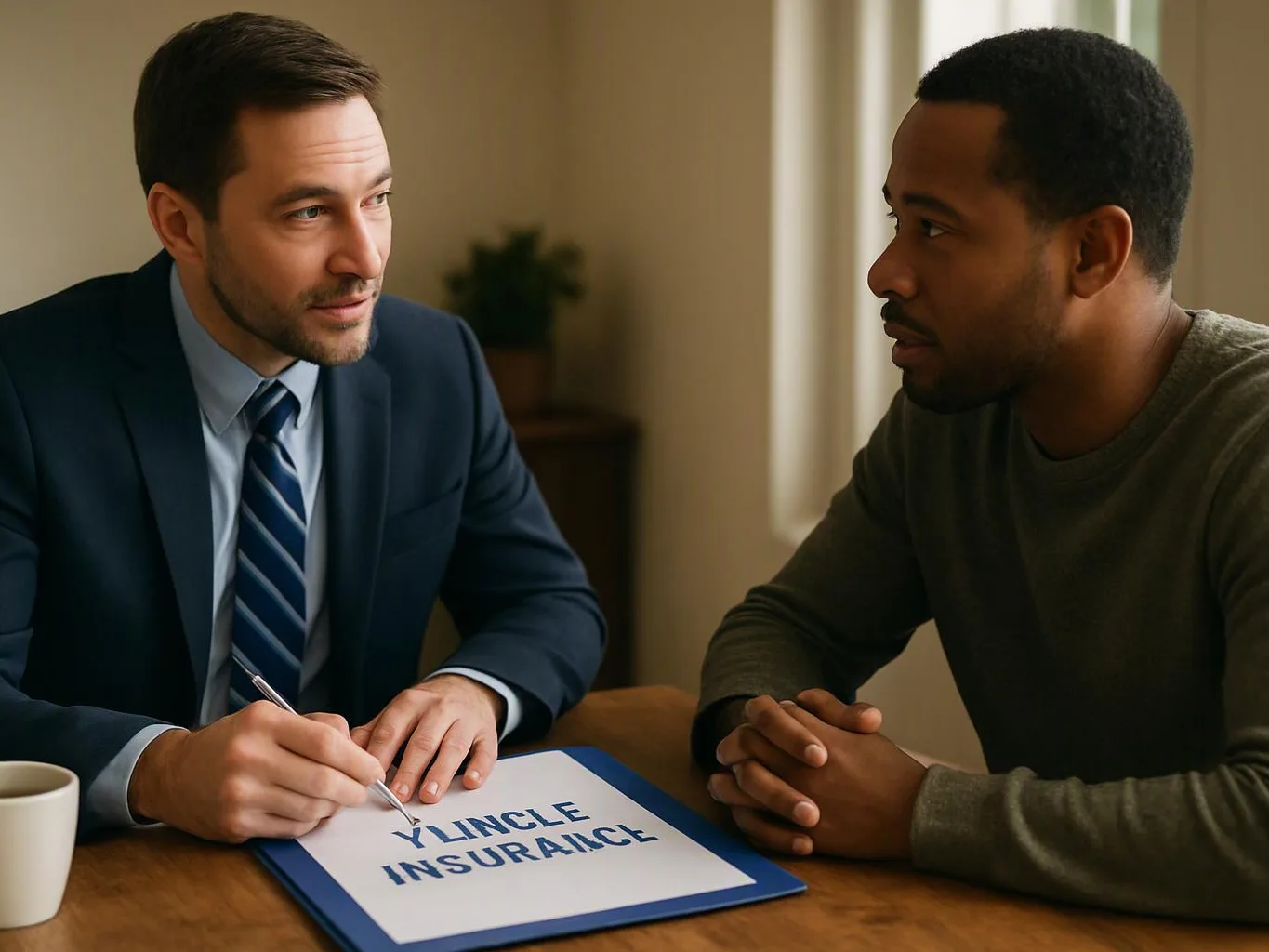
The claim is matched through an intake review of the collision, injuries, records, insurance coverage, and requested outcome. We identify whether the main issue is driver conduct, disputed evidence, or documented losses. That assessment guides the next legal step without promising a result.
What compensation records should an injured rider keep?
Medical bills, treatment records, wage information, bicycle repair records, and receipts help document losses. Keep photographs and insurance correspondence with those materials. Our team uses the records to assess medical expenses, lost income, property damage, pain and suffering, and other supported losses.